

THE GOVERNMENT: Moderates, Liberals and Christian Democrats, supported by the Sweden Democrats
Also known as: Tidöpartierna (the Tidö parties) after the stately home where their coalition document was written, blåa blocket (blue bloc), borgerliga blocket (the right-wing bloc)
Moderate Party (Moderaterna)
Vote share (2022 election): 19.1 percent
Seats in parliament: 68
Leader: Prime Minister Ulf Kristersson
Party letter: M
Party colour: dark blue
Party flower: the Moderates are the only parliamentary party which has never had its own party flower
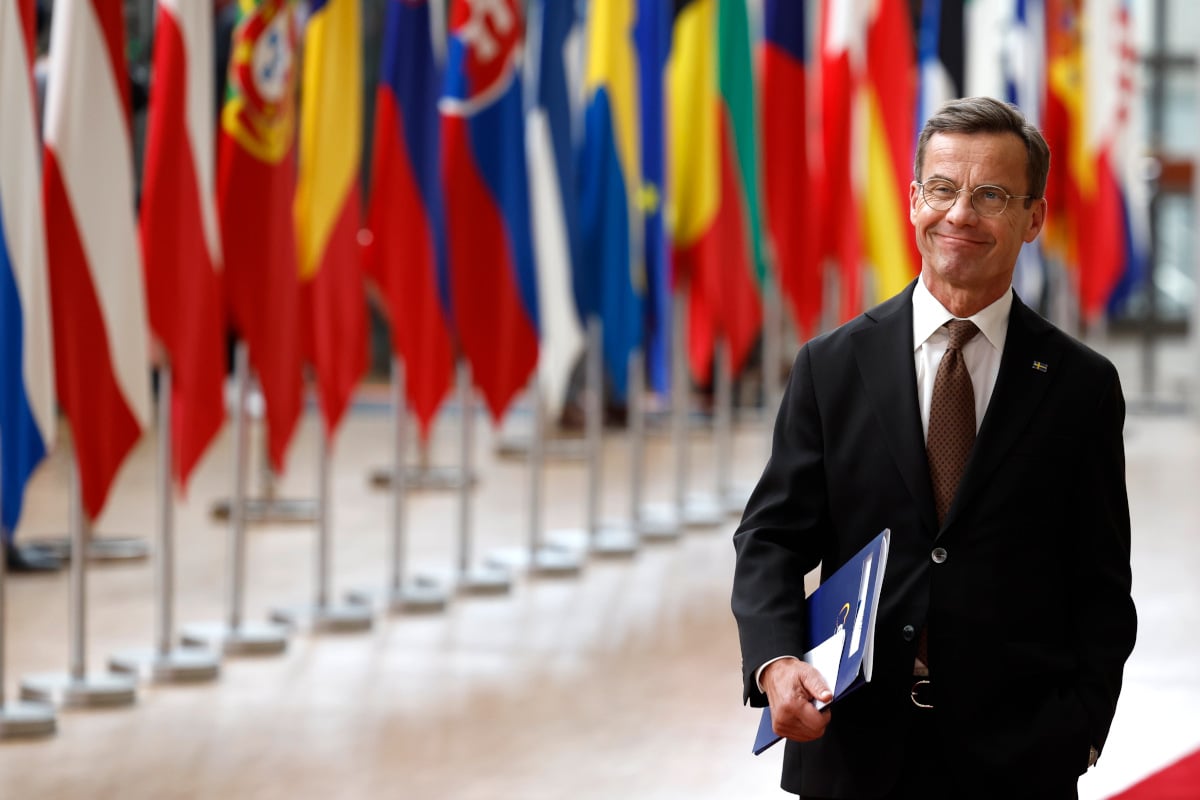
Background: Ulf Kristersson took over as leader of the Moderates after his predecessor, Anna Kinberg Batra, was ousted by the conservative party in September 2017 due to a dip in the polls after the party broke a Swedish taboo by softening its stance towards the anti-immigration Sweden Democrats.
Since then, opinion on collaborating with the Sweden Democrats has shifted to the extent that Kristersson’s party are now leading a government with Sweden Democrat support.
The dad of three and former finance spokesperson for the Moderates in opposition was minister for social security between 2010 and 2014 in former leader Fredrik Reinfeldt's popular centre-right coalition government, and has been prime minister since the 2022 election.
Party: The Moderates' traditional focus has been on law and order issues, job creation and cutting taxes.
Traditionally Sweden’s second-largest party behind the Social Democrats, the Moderates were pushed down to third place after the 2022 election by the Sweden Democrats, who took second place with 20.54 percent of the vote.
As recently as 2018, the Centre and Liberal parties refused to be part of a government that relied on passive support from the far-right Sweden Democrats, resulting in Kristersson's attempt to form a government failing.
Now, the Centre Party still refuses to work with the Sweden Democrats, but with the Liberals and Christian Democrats on his side, Kristersson is leading a government supported by the Sweden Democrats with a three-seat majority – 176 of Sweden’s 349 parliamentary seats.
Christian Democrats (Kristdemokraterna)
Vote share (2022 election): 5.34 percent
Seats in parliament: 19
Leader: Deputy Prime Minister and Minister for Energy, Business and Industry, Ebba Busch
Party letters: KD
Party colour: dark blue
Party flower: a vitsippa or wood anemone, used until 2017
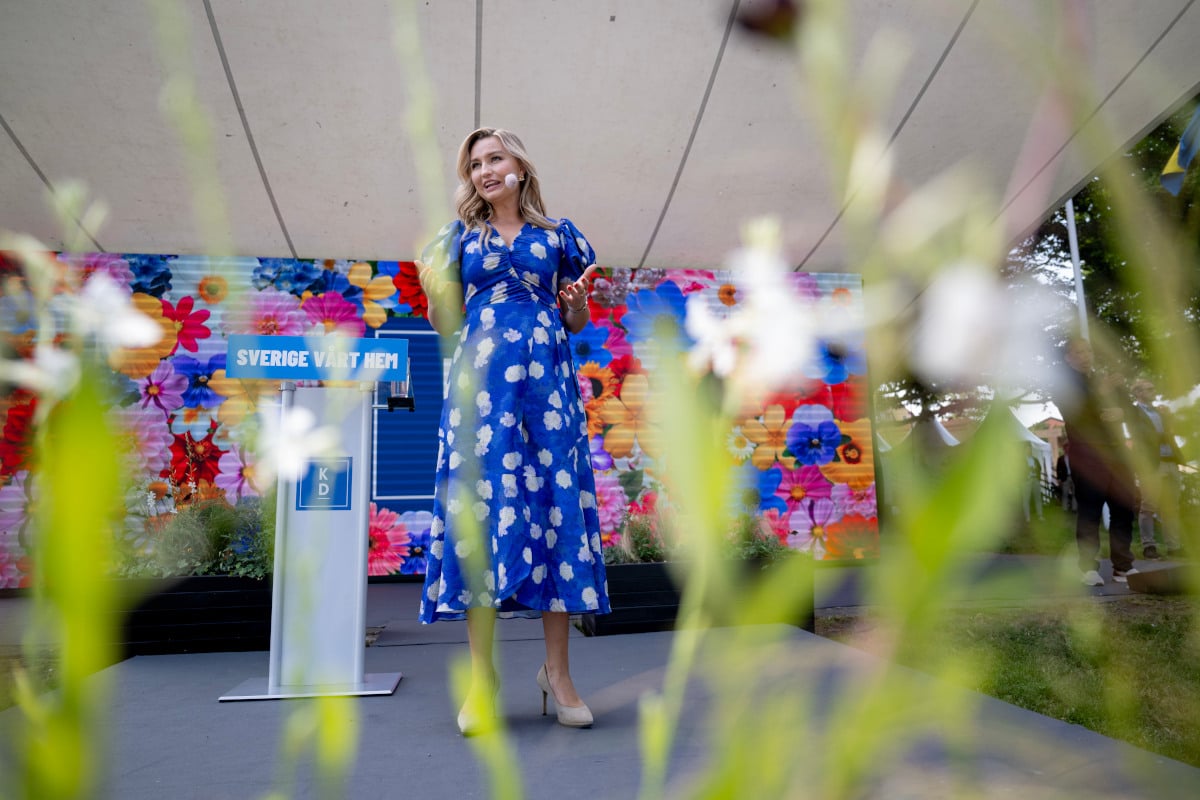
Background: A graduate in Peace and Conflict Studies from Uppsala University, Ebba Busch grew up in the nearby town of Gunsta and has been active in the Christian Democrats since 2006.
She was working as councillor in student city Uppsala when she was chosen to take over as party head from Göran Hägglund in April 2015. Busch has dual Norwegian citizenship through her father, and says she was inspired to enter politics following her mother's bad experience with the Social Insurance Agency after going on sick leave for stress.
Party: The Christian Democrats have tried to move away from their religious roots and build wider support, but the party has struggled to gain popularity. Its increasingly tough stance on immigration has also cost it some of its supporters who back traditionally Christian values.
Areas their policies focus on include welfare for the elderly and healthcare.
The party only just reached the four-percent threshold needed to secure seats in the Swedish parliament in the 2014 election, but increased that to over 6 percent in 2018. In the last election, support dropped to 5.34 percent.
The Liberals (Liberalerna)
Vote share (2022 election): 4.61 percent
Seats in parliament: 16
Leader: Education Minister Simona Mohamsson
Party letter: L
Party colour: Cornflower blue (see below)
Party flower: a cornflower or blåklint. Rarely used.
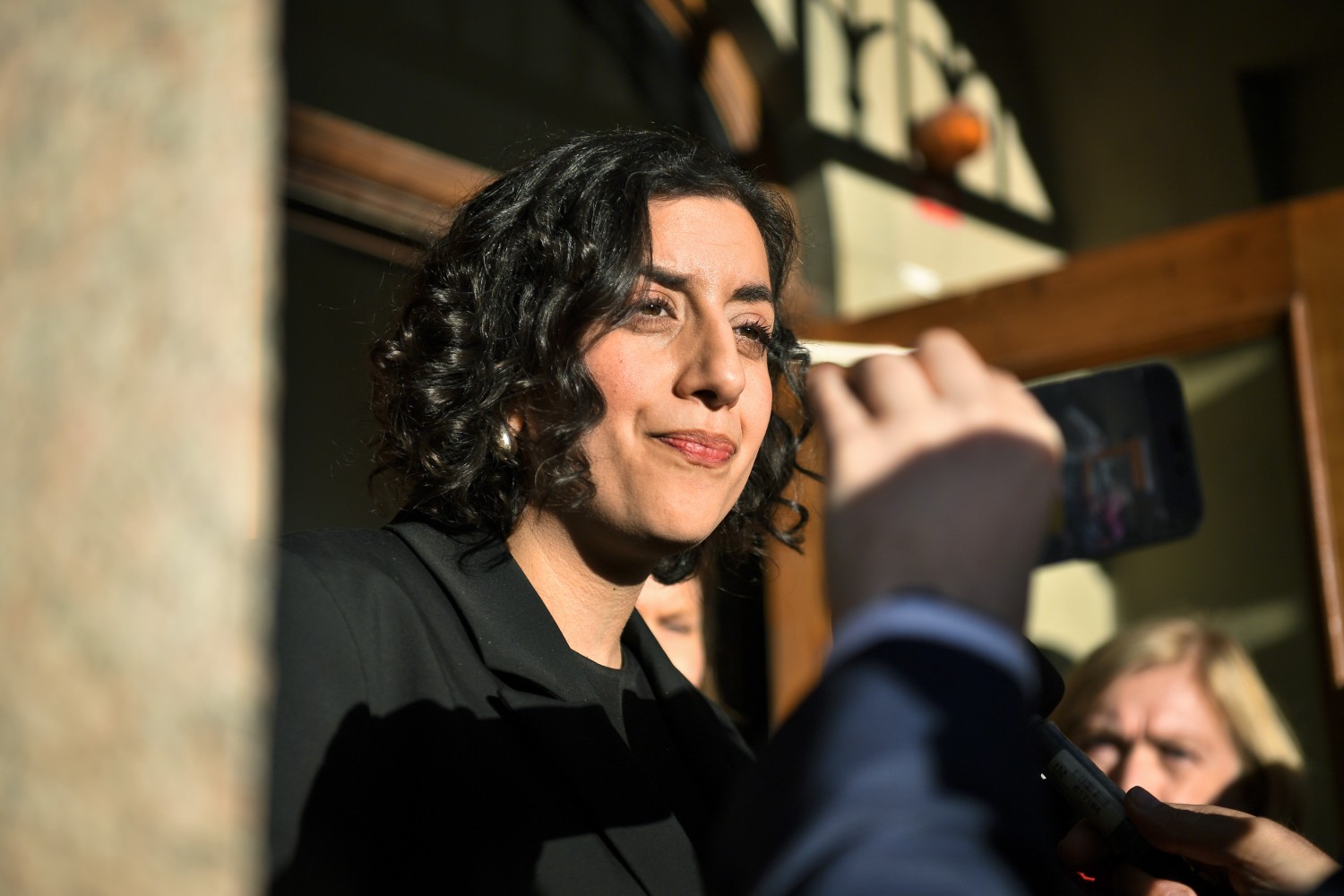
Background: Mohamsson, who spent most of her childhood and teenage years in south-western Sweden, has had a meteoric career within the Liberal Party, only entering national politics as recently as April 2025, when she took over as party secretary – one of the most senior roles within a party.
Before that the 30-year-old had been active in youth and local politics, serving as deputy chair of the party’s LUF youth wing and city councillor in charge of social services in Hisingen, a suburb of Gothenburg, Sweden’s second largest city.
She was born in Hamburg, Germany, and moved to Överlida, a village of around 500 people in the countryside south-east of Gothenburg, when she was eight years old.
Her father is an Israeli Arab born in Haifa and her mother is from a mountain village in Lebanon, close to the Israeli border. The family changed their name from Mohammed to the more Swedish-sounding Mohamsson shortly after arrival in Sweden.
She was formally elected as the new leader of the Liberals, taking over from Johan Pehrson, on June 24th.
Party: The Liberals often refer to their party as kunskapspartiet or "the party of knowledge", with education and schools a key issue. Other issues important for the Liberals are immigration and integration – where they aim to be open-but-tough – nuclear expansion, and the EU. They want Sweden to join the euro.
Their core supporters are middle-class voters.
Approval ratings fell below the Riksdag watermark in April 2015, only increasing when Pehrson took over in April 2022. In the months between April and the September 2022 election, the Liberals jumped from 2.1 percent to 4.6 percent, just over the parliamentary threshold, but support had fallen to 2.8 percent when Pehrson announced his resignation in April 2025.
In 2019, the Liberal Party, along with the Centre Party, offered the Social Democrat-Green government passive support in exchange for policy influence in the so-called January Agreement of 2019.
In September 2022, The Liberals agreed to form a government with the Moderates and Christian Democrats, collaborating with the Sweden Democrats, a decision met with heavy scrutiny including from their own youth party.
The Liberals and the Sweden Democrats are the most ideologically opposed parties in the ruling blue bloc, and the government’s time in power so far has not been without clashes between the two.
Sweden Democrats (Sverigedemokraterna)
Vote share (2022 election): 20.54 percent
Seats in parliament: 72 (Since 2023, 71 plus independent former Sweden Democrat MP Elsa Widding)
Leader: Jimmie Åkesson
Party letters: SD
Party colour: Blue and, to a lesser extent, yellow
Party flower: a blåsippa, known in English as a common hepatica, liverwort, liverleaf, kidneywort, or pennywort
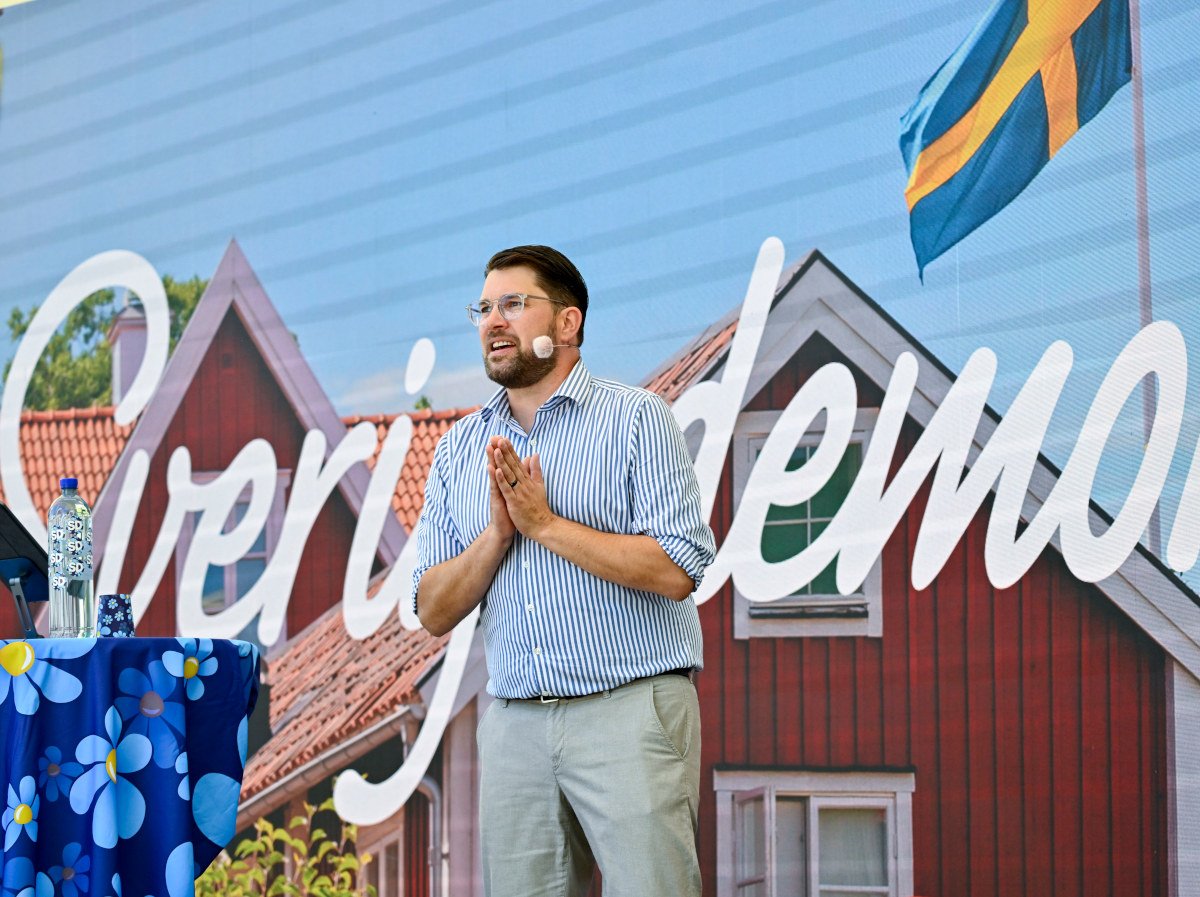
Background: An early entrant into politics, Jimmie Åkesson began his career as a city councillor in his hometown, Sölvesborg, in southern Sweden, after joining the party's youth wing as a teenager.
Åkesson is Sweden’s longest-serving current party leader, having led the party since May 2005. Under his leadership, the party has gone from strength to strength – entering parliament for the first time in 2010, and improving on its vote share each year since.
In just 12 years, Åkesson’s party went from being outside parliament to becoming the country’s second-largest party with over 20 percent of the vote.
Party: The nationalist Sweden Democrats were founded in 1988, evolving from far-right organisations with neo-Nazi roots. In recent years the party has worked to tone down its image as a racist and extremist group, although stories of party members making racist or Nazi comments do still occur with some degree of regularity, and there are signs that the party is returning to a more radical profile.
In 2024, a documentary revealed that the party operates a secret "troll factory". This, Åkesson's refusal to apologise, and an opinion piece in which he used extreme rhetoric based on neo-Nazi conspiracy theories, have been mentioned by several experts as factors behind the party's poor result in the 2024 European elections – the first major election in which the party lost rather than gained support.
Cutting immigration remains the party's main goal and it is behind many of the current government’s proposed changes to migration policy.
The Sweden Democrats have received increasing cooperation from the parties on the right since 2018, and in 2021 the Moderates, Christian Democrats and Liberals all opened the door to cooperation.
Since the election, the Sweden Democrats have used their status as the blue bloc’s largest party to achieve considerable power despite not being in government, and the party co-authored the Tidö agreement – the coalition document setting out the government’s goals and policies for the next four years.
THE OPPOSITION: The Social Democrats, Left Party, Centre and Greens
Also known as: rödgröna blocket (the red-green bloc), oppositionen (the opposition)
Social Democrats (Socialdemokraterna)
Vote share (2022 election): 30.33 percent
Seats in parliament: 106 (since 2024: 105 plus independent former Social Democrat MP Jamal El-Haj)
Leader: Magdalena Andersson
Party letter: S
Party colour: red
Party flower: rose
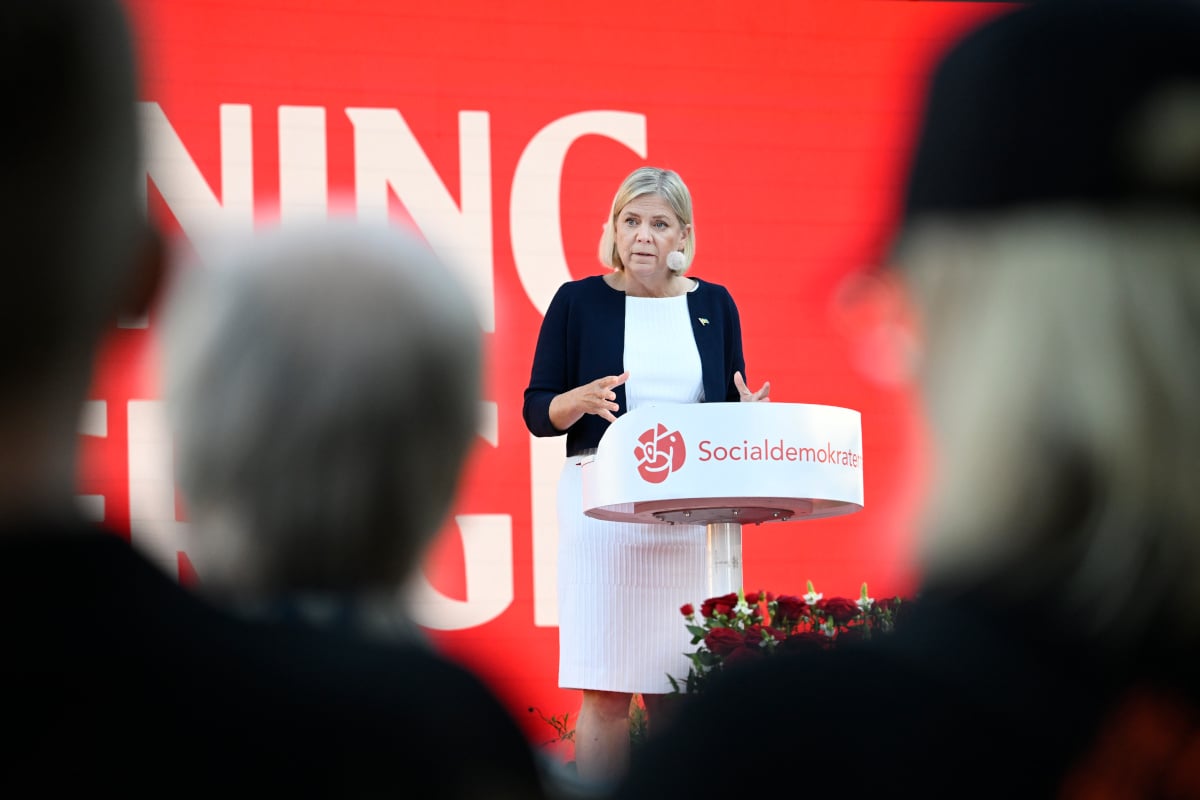
Background: Magdalena Andersson has been a member of the Social Democrats since 1983 when she joined the youth branch of the organisation as a 16-year-old, being elected chairperson of the Uppsala branch four years later.
She was Sweden’s finance minister from 2014 until 2021, when she took over from former party leader and Prime Minister Stefan Löfven, becoming Sweden's first female prime minister.
Just hours after her election, Andersson handed in her resignation after a tense budget vote threw the government into crisis.
Less than a week later, she was re-elected as Sweden's prime minister, this time leading a single-party Social Democrat government rather than a Social Democrat-Green coalition.
The party was polling at 26 percent in October 2021, shortly before Andersson took over as leader. They achieved 30.33 percent of the vote in the 2022 election, with Andersson's popularity largely credited with the party's success.
Party: The Social Democrats are the oldest and largest party in Sweden and dominated the political landscape until the 1990s. The party promotes workers' rights and built the modern Swedish welfare state, paid for by progressive taxation.
After a crushing defeat in 2006, the Social Democrats continued to lose votes in 2010, particularly from Sweden's urban middle class. The party bounced back after Löfven took over as leader and returned to power in a coalition with the Green Party following the general election in September 2014, but in 2018 the centre-left bloc reduced its lead to just one seat, leading the government to strike a deal with its former opposition, the Liberals and Centre parties.
Despite actually improving their share of the vote in the 2022 election, the other parties in the Social Democrats’ bloc lost support, so Andersson was unable to form a majority government.
This is the first time the Social Democrats have been in opposition since 2014 and only the third time since 1982.
Just like the right wing, the Social Democrats have also toughened their talk on immigration in recent years.
The Left Party (Vänsterpartiet)
Vote share (2022 election): 6.75 percent
Seats in parliament: 24 (Since 2025: 22 plus independent former Left Party MPs Lorena Delgado Varas and Daniel Riazat)
Leader: Nooshi Dadgostar
Party letter: V
Party colour: red
Party flower: carnation or nejlika
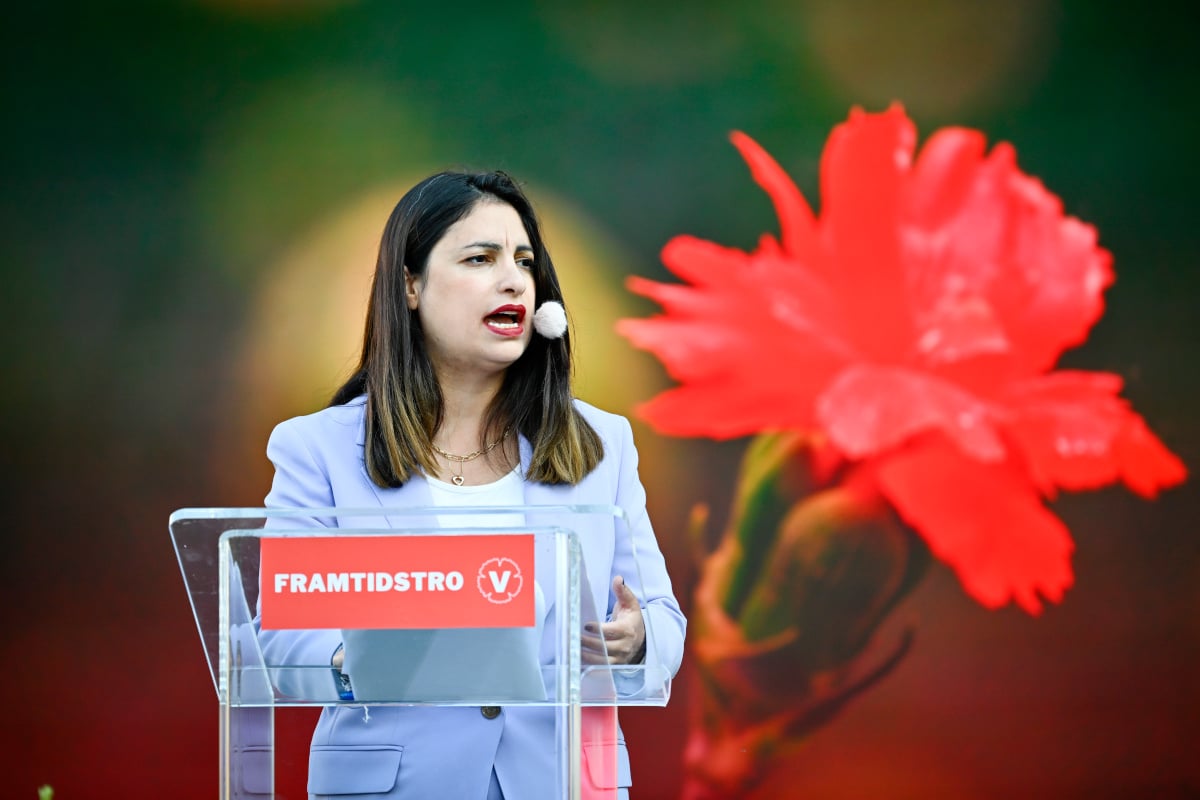
Background: Nooshi Dadgostar took over the position of party leader in October 2020 after Jonas Sjöstedt, who had held the position since 2012. From Gothenburg, Dadgostar now lives in Stockholm. She became active in the Left Party’s youth wing in 1999 and was elected a member of parliament in 2014. During her time as an MP, Dadgostar has worked on issues such as housing and higher pensions. She has previously also been the party's spokesperson on feminist issues.
Since becoming the party’s leader, Dadgostar has proven herself to be a tough negotiator, toppling Sweden’s then-Prime Minister Stefan Löfven in a no-confidence vote just seven months after she was appointed, following a disagreement over proposals to change Sweden’s rental laws.
Löfven was re-elected, but not before the proposal in question was scrapped, giving the Left Party a boost in the polls.
She employed the same tactic in 2021, when Magdalena Andersson was on the cusp of becoming Sweden’s first female prime minister, with the Left Party refusing to back Andersson’s candidacy until she agreed to more generous pensions.
Her tactic paid off again – the Left Party backed Andersson, but only after it had secured the pension reform it wanted.
Party: As its name suggests, the Left Party is the most left-wing group in the Swedish parliament. It has a long history and described itself as communist until the 1990s. The party is against the privatisation of public companies and supports higher taxes to fund Sweden's welfare state.
The Left Party has never served in government but usually offers support to Social Democrat governments whenever they are in power, although they also often criticise the centre-left on issues they don't see eye to eye on.
In the 2022 election, they achieved 6.75 percent of the vote, a drop from the 8 percent they achieved in 2018.
The Green Party (Miljöpartiet de gröna)
Vote share (2022 election): 5.08 percent
Seats in parliament: 18
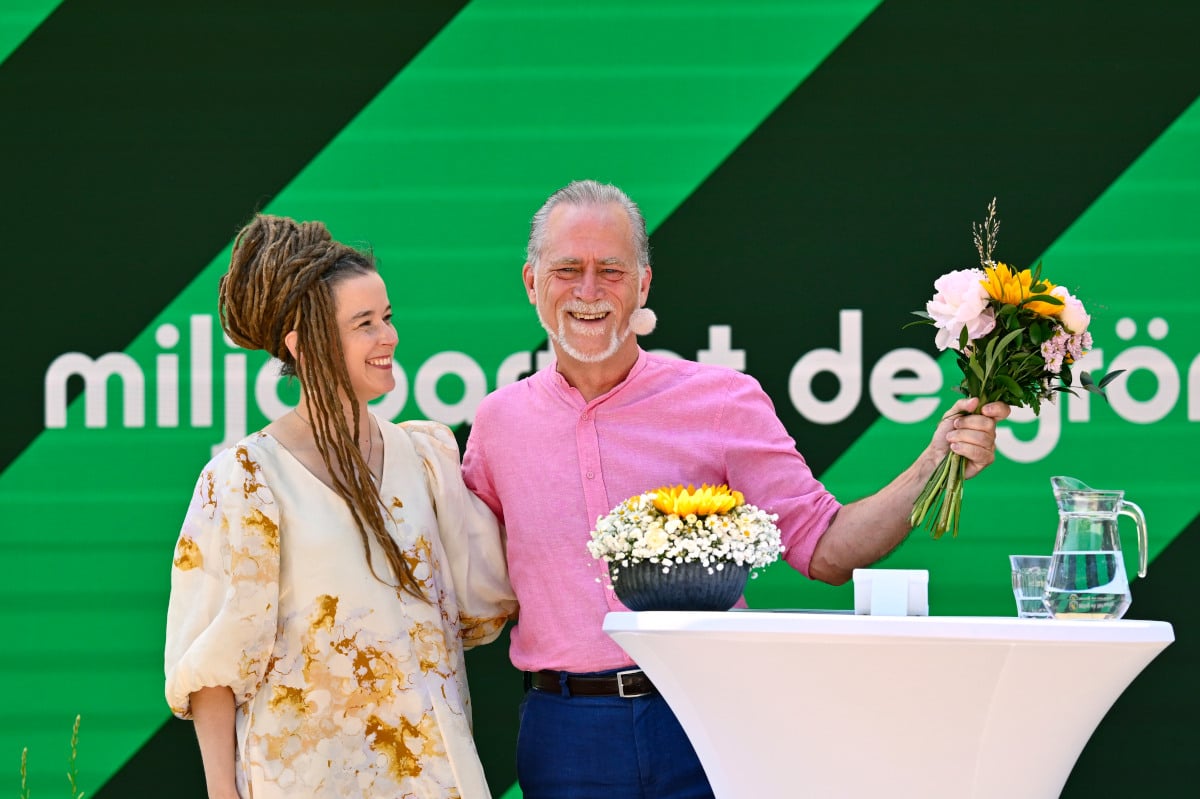
Leaders (technically “spokespeople”): Amanda Lind and Daniel Helldén
Party letters: MP
Party colour: green, of course
Party flower: dandelion or maskros
Background:
Amanda Lind, who grew up in Luleå in northern Sweden, has previously represented the party as culture and democracy minister in 2019-2021. She took over as co-leader from Märta Stenevi in 2024.
Easily recognisable from her dreadlocks, Lind shouldn't be reduced to her haircut. She is seen within the party as a formidable organiser, and as a minister she played a key role in bringing in and then lifting Covid-19 restrictions on theatre performances and sports grounds, standing firm and defending her position, despite calls for her resignation from the novelist and comedian Jonas Gardell and others.
Daniel Helldén, the former councillor in charge of transport in Stockholm, is as easily recognisable as Lind thanks to his grey ponytail. He was elected as the party's new joint leader at its congress in November 2023, taking over from Per Bolund.
Helldén has previously pushed for the Greens to focus primarily on the environment, whereas Lind belongs to the faction of the party that wants it to have a broad focus on all issues.
Party: The Greens first won seats in the Swedish parliament in 1988. The party is focused on fighting climate change and promotes policies designed to protect the planet for future generations.
They had hoped to become the third largest party in the September 2014 elections, but lost out to the nationalist Sweden Democrats. The Greens did, however, enter government for the first time in 2014, after forming a coalition with the Social Democrats, and stayed on in that coalition after the 2018 election, though their share of the vote fell from almost 7 percent to 4.4 – just barely over the four percent threshold for parliamentary representation.
Being part of the coalition didn’t necessarily help them gain support, particularly after the government made a deal with the centre-right Centre and Liberal parties in order to be able to govern in January 2019. In November 2021 they quit the government due to the right-wing opposition's budget passing just a few hours after Magdalena Andersson's election as prime minister and new Social Democrat leader.
As well as clashing with the Social Democrats and the right bloc over environmental policies, from the expansion of Arlanda airport to the question of nuclear power, the other big question has been migration. While the Social Democrats have accepted many of the right-wing's tougher immigration policies, the Green Party is firmly against proposals like a cap on the number of asylum seekers who can enter Sweden each year.
Since the 2018 election, the Greens have seen even lower support in the polls, although they enjoyed success in the 2024 European elections.
The Centre Party (Centerpartiet)
Vote share (2022 election): 6.71 percent
Seats in parliament: 24
Leader: Elisabeth Thand Ringqvist
Party letter: C
Party colour: Green
Party flower: four-leaf clover

Background: Elisabeth Thand Ringqvist, a Stockholm MP and classically-trained cellist originally from Jämtland in northern Sweden, was nominated by the Centre Party's nomination committee to take over from Anna-Karin Hatt in November 2025, after Hatt stepped down due to threats and hatred received since taking up the role in May that year.
Thand Ringqvist, with a background as a consultant for McKinsey, currently serves as the party's business spokesperson.
She is considered to be a more right-wing choice for the Centre Party, but her refusal to collaborate with the Sweden Democrats means that, for now, she has allied the Centre Party with the left-wing parties.
Party: The Centre Party has rural roots, emerging from Sweden's Farmers' League, which was set up more than one hundred years ago, and while agricultural and environmental issues remain key concerns alongside allowing local communities to make their own decisions, the party has tried to attract urban voters more recently by promising help for small businesses and criticising tough work permit rules for foreigners.
They won 8.6 percent in the 2018 election, their best result since 1998, but the centre-right bloc still failed to get enough votes to govern, partly due to Sweden Democrat gains.
In the run-up to the 2022 election, the Centre Party differentiated themselves from the other parties on the right, by refusing to co-operate with the Sweden Democrats.
This didn’t necessarily pay off for them – they dropped from 8.6 percent to 6.7 percent – and Lööf stepped down soon after the election. She said that her decision had been partly influenced by the threats and abusive posts online she faced since even before leaving the right-wing Alliance and lending her party's support to the Social Democrats.
Demirok fared even worse in the polls, which was one of the reasons behind his resignation in May 2025. The party saw a brief jump in the polls after Hatt was chosen to take over, but it's not yet clear how the next leader will affect polling figures.
Politics in Sweden is The Local's weekly analysis, guide or look ahead to what's coming up in Swedish politics. Update your newsletter settings to receive it directly to your inbox.
Comments