
There are two types of tax deduction related to household upkeep in Sweden: ROT and RUT. Together, they mean that you can get a significant chunk of money off the labour cost of a range of services, repairs and maintenance costs.
The goal of both schemes is to boost employment in these sectors by lowering cost to the end-consumer and raising demand, and to reduce the risk of workers taking cash-in-hand jobs (known in Sweden as svartarbete) and not declaring their earnings.
What are the RUT and ROT deductions?
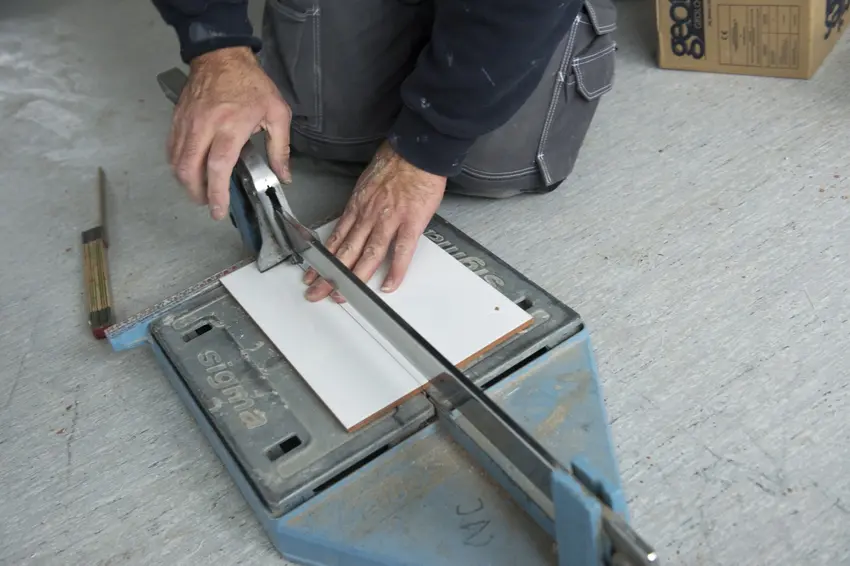
ROT stands for repairs, conversions and extensions (reparation, ombyggnad, tillbyggnad) and covers this type of building work. However, building a new house or converting or extending a new house (one that is exempt from municipal property tax) is not covered.
RUT stands for cleaning, maintenance and laundry (rengöring, underhåll, tvätt) and applies to domestic work such as:
- Cleaners, including professional cleaning before moving or selling a home
- Gardening
- Snow removal
- Minor installations, repairs and services of home IT equipment
- Repair of household appliances
- Laundry of home textiles or clothes at a laundry facility (including the cost of transportation)
- Furnishing services (including furniture assembly)
- Transporting household goods to a secondhand shop or to storage facilities
How much can I get?
For ROT work, you can claim back 30 percent of the cost of labour, up to a cap of 50,000 kronor. For RUT work, you can claim 50 percent of the cost of labour, with a maximum combined cap of 75,000 kronor.
Are there any other rules I should be aware of?
In order to claim ROT and RUT deductions, you need to be a Swedish taxpayer, aged over 18 and liable for tax during the tax year. Only the labour cost is deductible, not the cost of any materials or equipment, and you need to pay for the service electronically – this is so that the business is traceable.
To get the RUT deduction, you do not need to own the home (so renters are eligible) but you must live there all or part of the time. You can also get the deduction for work carried out in the home your parents live in, if you are the one who paid for the work.
For ROT deductions, you also need to own the property where the work is done (either owning the property or apartment itself, or a bostadsrätt) and live in it at least some of the time – so your primary home and any secondary residence or summer house are eligible, but not a property you rent out.
The work cannot be done by a family member.
If there is more than one adult living at the address, you can combine your RUT and ROT deductions, meaning a couple can get a total deduction of 150,000 kronor. This is tied to the individual, not the property, so you don't have a separate deduction available for each property if you own multiple homes.
It's the contractor, or the person providing the work, who should make the deduction on your invoice, but you should keep track of how much of each deduction you receive over the tax year (you can do this by logging into Skatteverket, the Swedish Tax Agency).
If you know you've reached the ceiling for your deductions, you should let them know so that they can make out your invoice without the deductions.
Comments (2)