
Cannabis has been on sale in Germany for recreational use since 2024, just as it has in about half the states of the US. This move was preceded in both places by a broad discussion of the harms and the supposed benefits of using cannabis — and also of how banning drugs pushes the trade into the hands of criminals.
Sweden meanwhile has some of the strictest drugs laws in the EU. Swedes are still getting stoned — indeed, the drugs trade is thriving. The country also has one of the highest death rates from overdoses. Meanwhile the clear connection between drug dealing and gang violence has plagued Sweden and transformed its politics.
Yet real debate on the issue is dead. Remarkably, not one of the eight (!) parties in the Riksdag currently promotes serious liberalisation, despite some research that suggests repressive policies don’t work. Even the Green Party, which with its hemp-draped members and dreadlocked leader at least has the aesthetics of a pro-cannabis party, opposes liberalisation.
So it was not for nothing that SVT’s politics programme Politikbyrån last week called liberalising drugs policy the “last taboo” in Swedish politics.
The issue is certainly a taboo, but it’s far from being the last one. In fact, Sweden’s ‘opinion corridor’ - that is the range of political opinions that are seen as legitimate to hold (a concept similar to what political scientists call the Overton window) - is famously narrow. This is particularly so on moral issues.
In fact, every single party backed moves to forbid Only Fans creators from providing paid-for porn on demand (the only parties that opposed the actual bill did so on the grounds that it didn’t go far enough).
There’s certainly a very dark side to Only Fans, but surely there must at least be space for a party in Swedish politics to put the liberal case that consenting adults should be free to decide what to do with their money and their bodies?
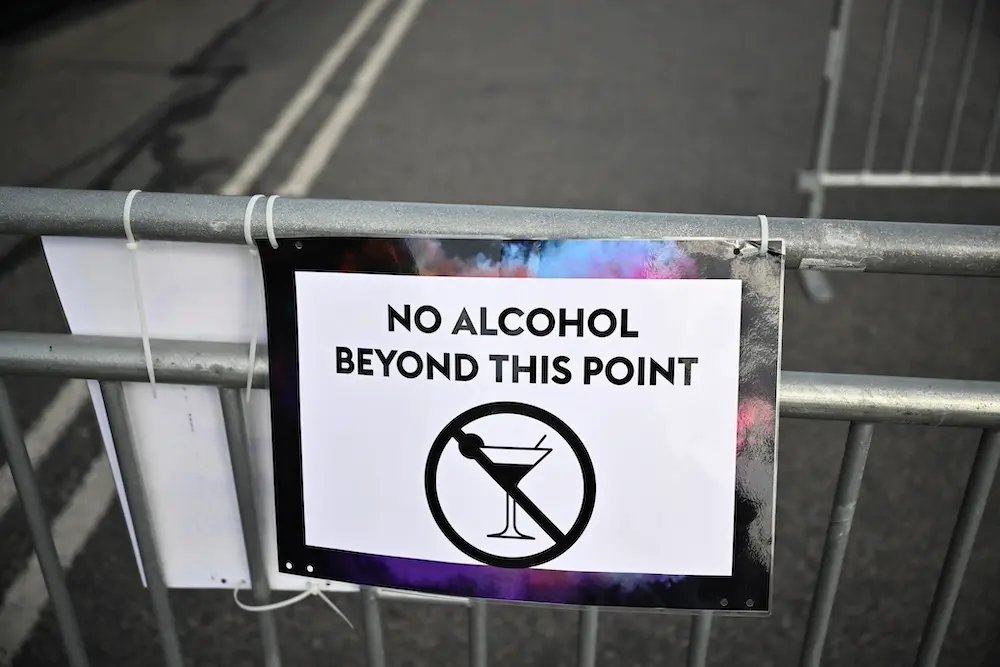
In a similar vein, no party is prepared to actively push for the sale of wine in supermarkets, as is common in most of Europe. The Moderates paradoxically demonstrated the strength of the taboo surrounding alcohol liberalisation as they pushed through a comically modest reform to allow Swedish alcohol producers to sell tiny volumes of their own products from vineyards, distilleries or breweries – and only after a tour, a lecture and a health warning.
Interestingly, there’s one area where the consensus favours sin: snus. Snus might be addictive, increase the risk of some cancers, high blood pressure and tooth loss and be banned across Europe. Here again you’d have to search high and low for a Swedish politician who wanted to ban it.
The consensus isn’t only confined to peccadillos: on housing policy it’s deemed beyond the pale to suggest ditching rent controls or mortgage interest tax relief, despite experts being broadly opposed to both.
On migration policy, a decade ago it was taboo to suggest tightening asylum laws. Today the situation is reversed: if you listen hard you might hear two or three small parties speaking up for the right to asylum, but they give every impression of hoping you won’t notice.
This is a shame. One advantage of having eight parliamentary parties should be to give voters access to a range of opinions and see lazy thinking go challenged. Right now they’re being short-changed.
Politics in Sweden is The Local's weekly analysis, guide or look ahead to what's coming up in Swedish politics. Update your newsletter settings to receive it directly to your inbox.
Comments (6)