

The year 2024 was an eventful one for Brenda.
She split up with her Brazilian partner, with whom she had arrived in Sweden five years earlier, in August. Then she was one of many who lost her job at Northvolt in November.
At around the same time her visa ran out, and then at the end of 2024, she met Marcus Ramström.
"We met on Tinder," Brenda laughs. "I was visiting a friend in Stockholm, and he was in Strängnäs visiting his parents on New Year's, and we got a match. Then he came to meet me in Stockholm."
The pair quickly realised that despite Marcus living in Falun at the time, and Brenda still living in Skellefteå, this was more than just a Tinder date. So because she had nothing keeping her in the home of Northvolt's flagship factory any more, she packed her bags and moved to him.
She then managed to land a job in Gothenburg.
"I asked him, 'do you want to go with me?' He said, 'yes'. So we moved together to Gothenburg."
At that point they had only been together for five months, but they had no doubts.
"I said to myself that this was the girl that I would never leave or let go," says Marcus. "I felt that I would never make any bad mistakes about this. I would stick with her forever if I could."
But that's not how the Migration Agency saw it. After meeting Marcus, Brenda tried to renew her residency permit and tie it to him as her partner. But two days before Christmas, she was rejected.
"I was at work when I received the letter that I would be deported. They said that my job was not strong enough, even though I had a permanent contract at the time, and also that our relationship was not strong enough, even though we were already living together," she explains.
The couple appealed the decision, and managed to put it out of their minds because they were in a whirlwind of so many other things going on in their life at the time. First up: their wedding.
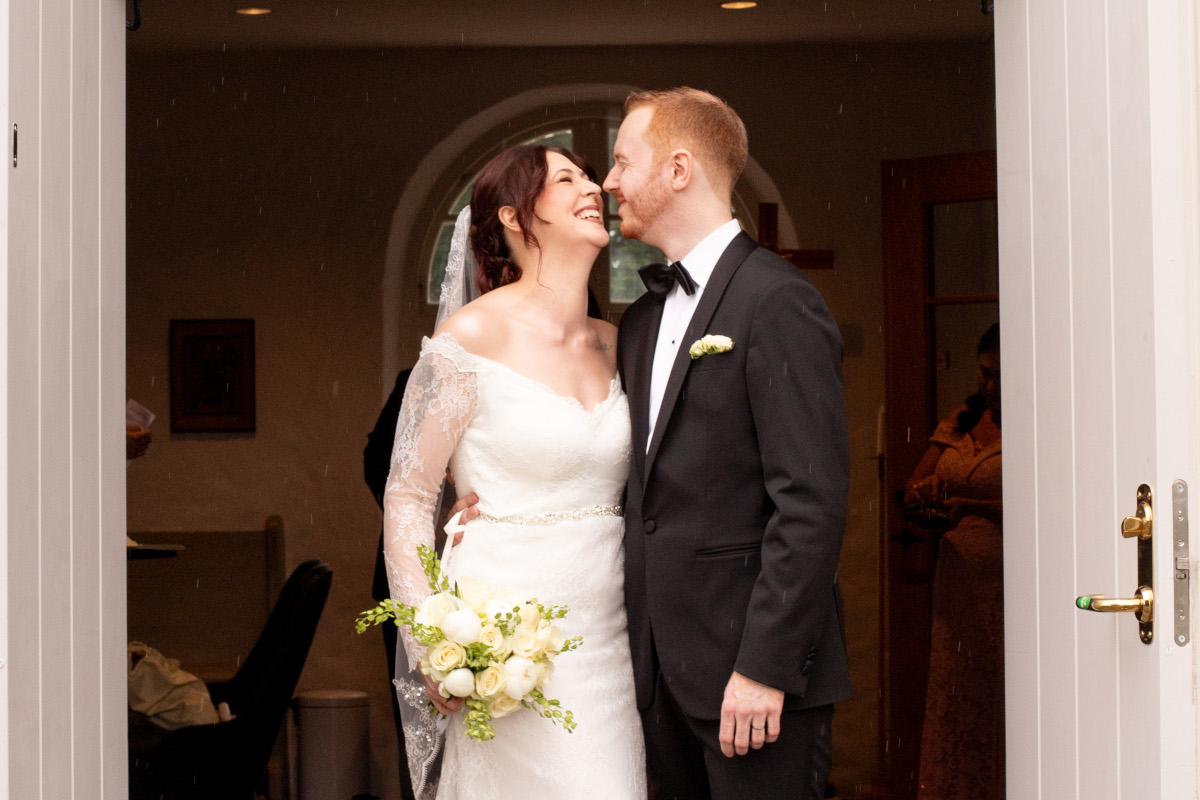
"Friends and relatives were with us and celebrating, and they saw that we were really happy together. That makes me proud that people can see my happiness with Brenda," says Marcus.
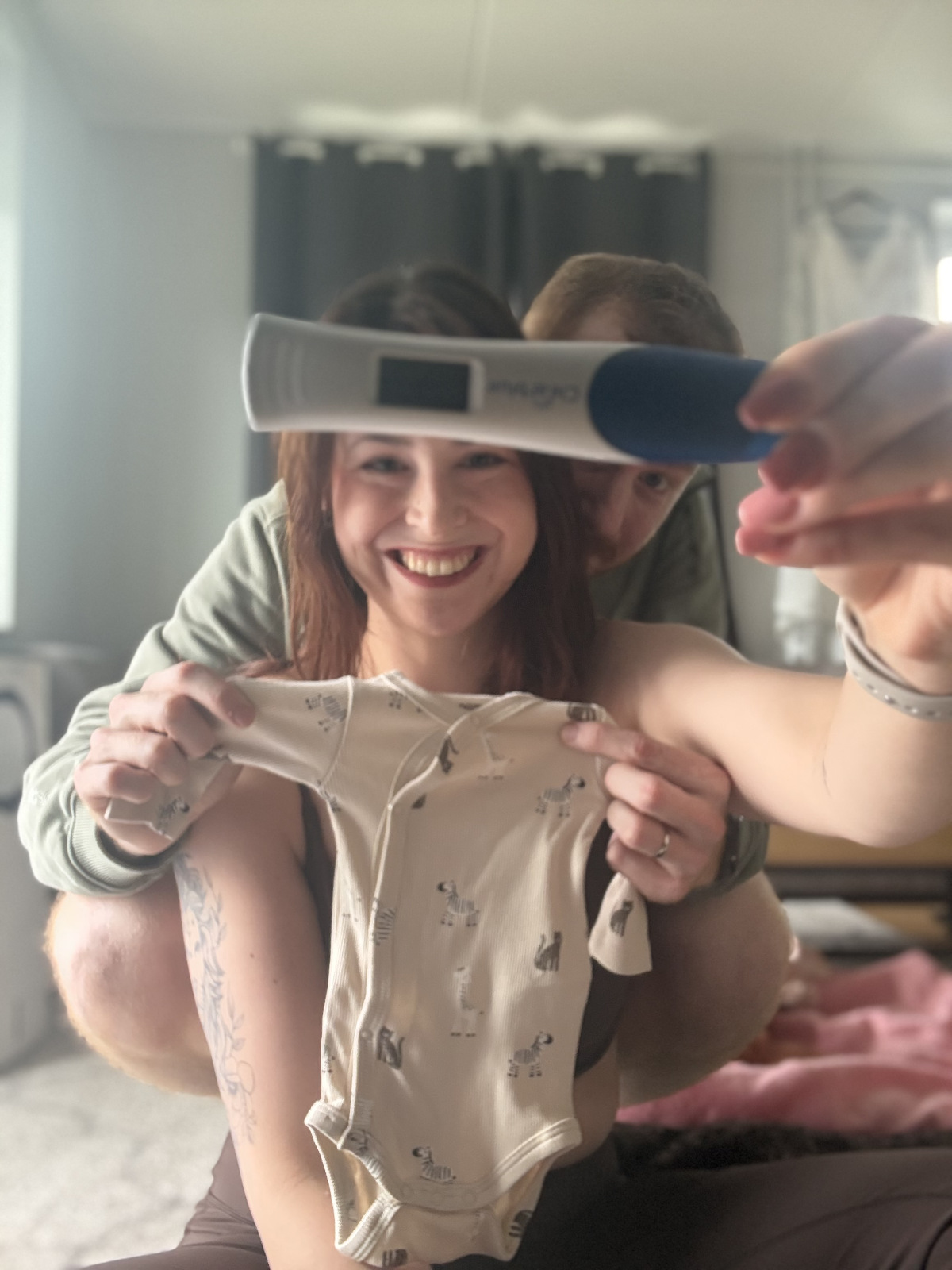
Then, a week later, they got the surprise news that Brenda was pregnant.
"It was quite a shock. I was like 'oh, that's why I was so grumpy'. I thought it was just planning the wedding that was giving me stress," she laughs. "Turns out I was already one month pregnant."
But the happiness this summer was short-lived, because in September the Migration Court rejected their appeal, giving Brenda, now five months pregnant, four weeks to leave Sweden.
As a general rule, non-EU citizens can't apply for a residency permit from inside Sweden, and the court sided with the Migration Agency's argument that Brenda should leave to reapply from abroad.
There are exceptions, but the court didn't consider her pregnancy to be one of them.
"In making this assessment, the court takes into account that she is in the early stages of pregnancy and that the family life in question began during a period when her right to reside in Sweden was uncertain," reads the Migration Court's judgment, seen by The Local.
By then, Brenda had left her job in Gothenburg due to the stress of her work contract and immigration issues taking its toll on her. Instead, she had begun to study English with the intention of pursuing a master's degree in Sweden, the country where she had spent most of her adult life.
"We were really shocked about the decision, because we felt like it was going to be OK. We had also moved to Borås for me to get closer to work and for Brenda to start studying again. We were starting to plan this family life in Borås. And then this shit happened," says Marcus.
There aren't any options left now but to leave. Brenda and Marcus are speaking to The Local six days before she is set to get on a plane to travel 23 hours – first from Stockholm to Amsterdam. Then, from Amsterdam to São Paulo, and then from São Paulo to Curitiba, where Brenda's mum lives.
"It's been really hard for me because I want to be with my husband during my pregnancy. My plan was to have my baby here and now I have to do everything again when I arrive in Brazil. I have to find an obstetrician, and I don't remember exactly how the system works any more," she says.
"It has also been a financial struggle for us, because it's not cheap to travel to Brazil."
Thankfully, her mother and brothers still live in Curitiba, so she'll have a support network.
"But I would like to have my husband with me. He's not going to feel the baby kicking, he's not going to see the belly growing, and there's also the chance that the baby comes early and he cannot be there during the labour," says Brenda.
The court, however, arguing that the separation is unlikely to be unreasonably lengthy, said there appeared to be no "major practical obstacles" preventing her from reapplying from Brazil, and that if her case isn't decided on time, "no impediment" to Marcus joining her in Brazil for the birth.
There is a very slim margin of possibility that Brenda will get a decision on her reapplication quickly enough that she can travel back to Sweden before she's banned by airline rules on pregnancies.
But the couple aren't holding out hope, so Marcus has got a flight booked for a few days before Brenda's due date, and hopes to stay with her and their future daughter in Brazil as long as he can.
"Hopefully I can bring both Brenda and Isabella, which is our name for the kid, back to Sweden."
But if Isabella arrives early, he is bracing himself for the risk that he'll miss his daughter's birth. Flights cost around 30,000 kronor one way for a single ticket with extra luggage, and unless you manage to book convenient connections, the journey could take up to two days.
"I'm not sure if Brenda is going to hold it in for 30-40 hours before I arrive," says Marcus.
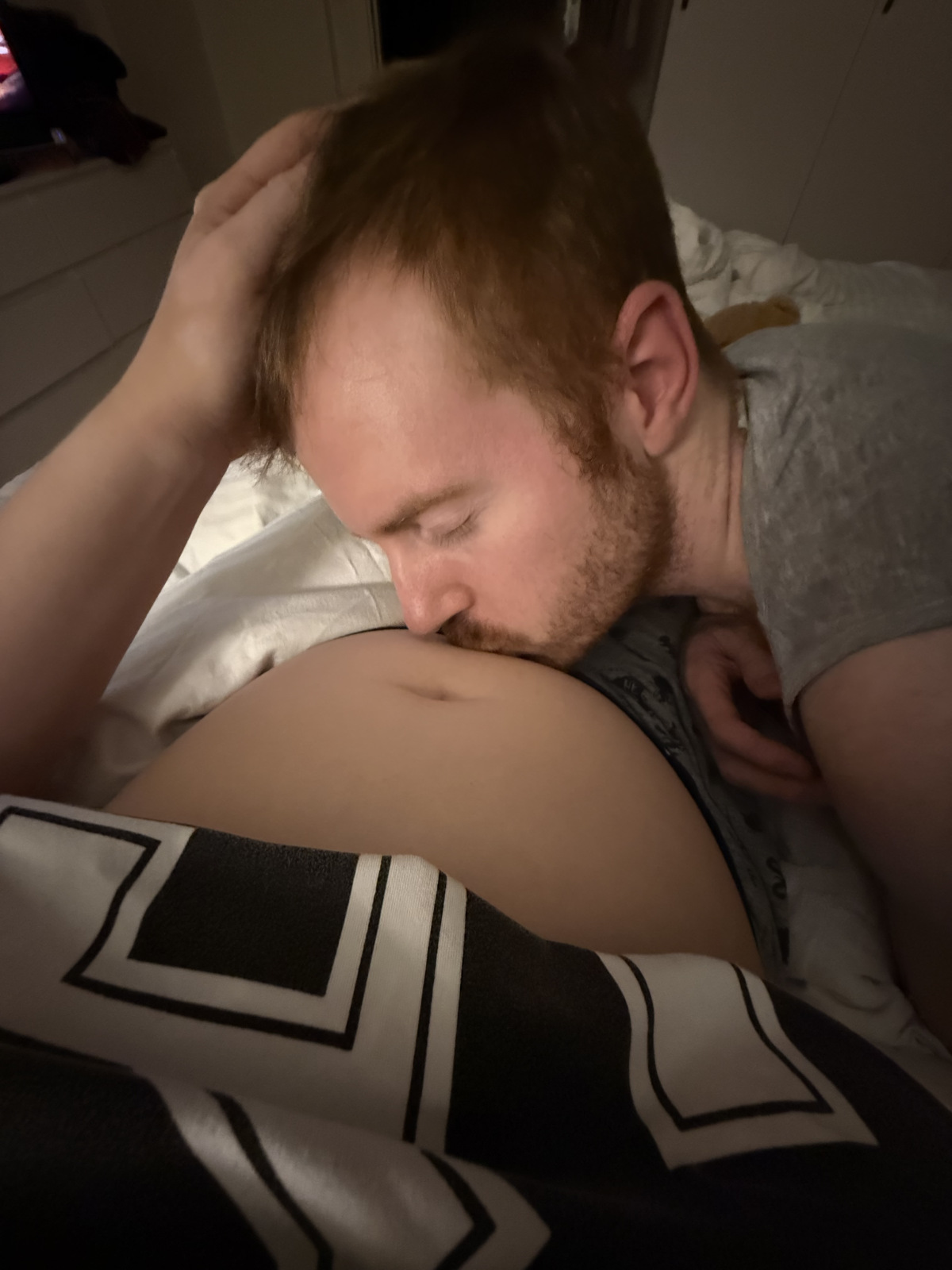
He, too, feels "frustrated" that he's not going to be with her during the pregnancy.
"For me as a husband and father-to-be it's terrible," he says, criticising the Swedish immigration authorities for not considering the human beings behind the bureaucracy and paperwork.
"They just focus on Brenda and her paper. They don't see the person Brenda who's working hard, applying for thousands of jobs. I saw her when she was living with me in Falun, she was applying every evening to jobs in the whole of Sweden, to get that Swedish life that we have always dreamed about. To have a house in the forest with a lawn and maybe a pool if we're lucky, a barbecue area. To feel like this is how we want our family to live together," says Marcus.
"It's like they have not seen Brenda how she is. She's passionate. She has hobbies. She is always trying, and that was one of the things that I fell in love with. She has these ambitions and power to do stuff, and now migration is like 'no, kick her out, she can apply again, it's not that hard'."
If she doesn't manage to return to Sweden before the birth of Isabella, it's unlikely they'll be back before next summer, says Brenda, taking into account the time it will take getting a decision from the Migration Agency, her recovery, and a passport and the necessary infant vaccinations.
"I have no words for how bizarre this situation is and how frustrated I am. How this easy case to get a new permit can be so difficult for them to see. It makes no sense," says Marcus.
The couple urges Sweden to take into account the whole picture and how immigration rules affect the lives of families, even if it's too late to change what's happening to their own growing family.
"Right now we are really focused on Isabella's future, so that she can get a good labour, start her life well and then come back to Sweden and really say that this is our home," says Marcus.
"Brenda always says to me that her home is with me, and I want to show her that this building is her home as well, that she can feel safe and calm and relaxed, not just with me, but with the house or the area that we're living in. That's my future that I want to show her and Isabella."
Watch the full interview
Comments (6)