
From April 1st, Sweden will scrap spårbyte (“track change”), an immigration path which has meant that rejected asylum seekers could receive a work permit without having to leave the country to apply, provided they met all the other work permit requirements.
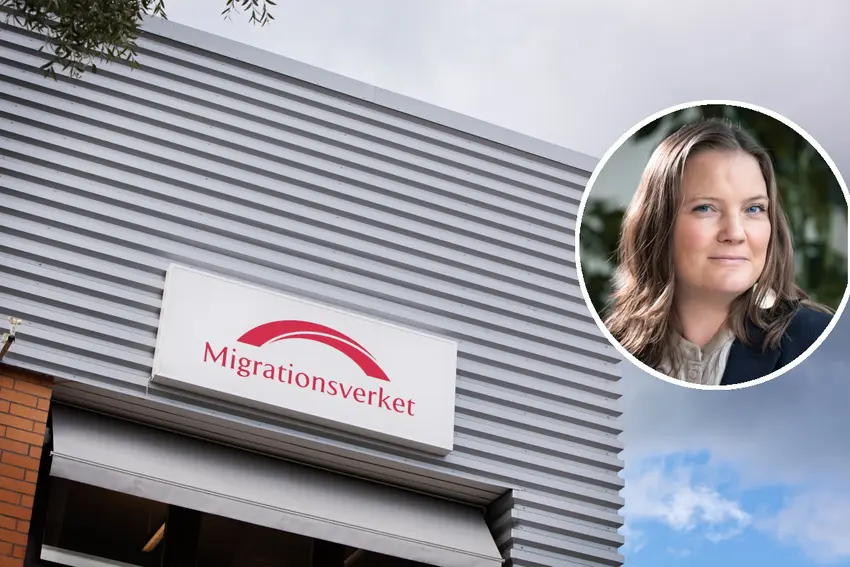
Hanna Geurtsen, the Migration Agency’s deputy task manager for work permits, told The Local that the decision had been pushed through unusually fast.
It was originally part of a major legislative package to reform Swedish work permits, and was meant to come into force in June together with the rest of the reforms. But then it was included in a separate bill, which was sent to relevant organisations and agencies for consultation in February, with the start date moved forward to April 1st. It was approved by parliament on March 12th.
“They broke it out of a larger package in a very short time from a legislative point of view. Then it got rubber-stamped last Wednesday,” said Geurtsen, arguing that expert agencies had not been given enough time to warn of the consequences of the bill.
“If you want those reforms you carry out to have an impact and effect, it’s better if the authority gets more time to prepare. Not least when it comes to providing information and guidance to those affected by it. You get the best result when those who are affected by the authority’s decision also understand which rules will be applied. And we can’t in good conscience say we have been given plenty of time in this situation.”
No transitional rules have been put in place, which means that even most people who have chosen this path in the past won’t be able to extend their current temporary work permit when it’s due to expire, unless they first leave Sweden and apply from abroad.
It also means that those affected who have applied to extend their permit but haven’t yet received a decision by April 1st in most cases will no longer qualify for an extension.
“With 12 days until the law comes into force, we just won’t be able to process all of the more than 2,000 cases in the queue,” said Geurtsen.
READ ALSO:
The Council on Legislation – the parliamentary body that scrutinises bills before they go before parliament to ensure they are in line with the constitution – had urged the government to consider transitional rules before moving forward with the reform.
“From an equal treatment perspective, the Council on Legislation questions the appropriateness of allowing an authority’s processing times to be decisive for whether an application should be processed according to the new or older wording,” it wrote.
But the government overrode the criticism, arguing that the purpose of abolishing track changes was to create greater incentives for those with deportation decisions to leave Sweden. “[I]t is important that the new rules quickly have an impact,” it wrote in the bill.
The Migration Agency estimates that around 4,700 people living in Sweden will be affected by the abolition of track changes, which will not only force former asylum seekers who have used this option to leave the country, but also their families.
Geurtsen said that the agency would examine whether applicants have other grounds for a residency permit or whether there are reasons for not enforcing deportation, but conceded that in the end the majority would most likely have their extension rejected.
“We take great pride in the fact that the individual should be able to understand how to protect their rights. But when there’s this short a period of time from a parliamentary decision to it coming into force – not even a month – it’s very hard to reach everyone and help them grasp the information. Especially when there’s no room for manoeuvre,” she said.
“You just change the rules of the game for a lot of people during an ongoing process.”
Comments (2)