
In recent years, the tourism industry in the Nordic region has been buzzing about a new trend – "coolcations."
The concept, which refers to travellers seeking cooler climates for their vacations due to the global rise in temperatures, has already become a hot topic in neighbouring Norway and Denmark, and with temperatures well over 40 degrees in much of southern Europe this summer, the question of how to avoid the heat is bigger than ever.
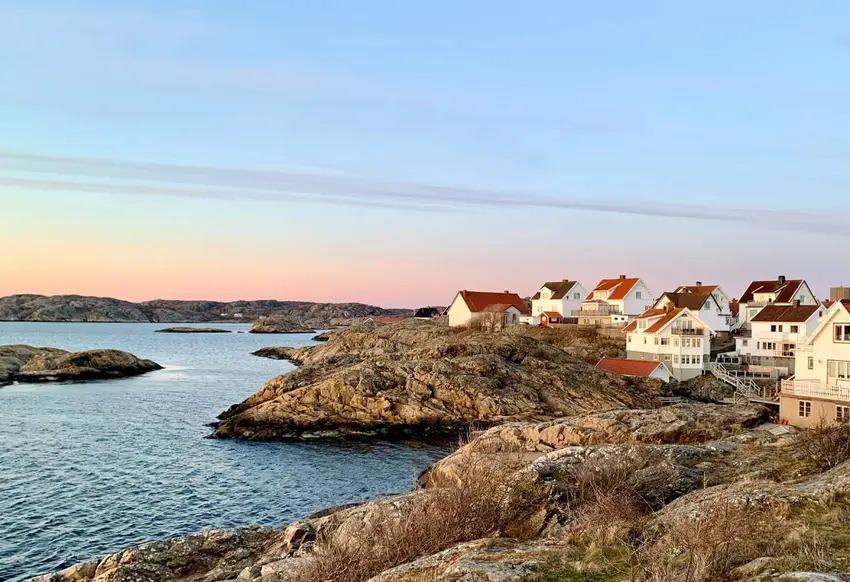
But could Sweden become a coolcation destination? The country's varied landscapes, from coastal archipelagos to vast forests and lakes, have much to offer visitors seeking cooler climates.
As part of the Nordic region, is Sweden also fated to feel the effects of the coolcations trend?
A new driver of (Swedish) tourism?
The trend is emerging as a new driving force in tourism, Steve Robertshaw, Senior PR Manager at Visit Sweden, the country's National Tourism Organisation, told The Local previously.
"However, there is no information or data about this yet, only occasional statements from different actors who claim that their customers choose travel destinations based on climate," he said.
While specific data on the popularity of regions due to this new trend is unavailable, Robertshaw noted that outdoor activities and Sweden's nature were popular among tourists visiting the country last year.
"Nature, islands, archipelagoes, close-to-nature unique accommodations, and outdoor activities like hiking and biking are proving popular amongst visitors to Sweden," Robertshaw noted.
A trend in its early stages
Determining whether the growing popularity of Northern European destinations is driven by travellers seeking more temperate summer climates is challenging, according to Robertshaw.
"Hard to say. There are many driving forces in play when deciding on holiday type and holiday destination. We don't have exact numbers on the size of the trend or where they come from! The trend, if it continues, is still at an early stage," he said.
However, consumer surveys indicate that climate and high temperatures will increasingly impact holiday choices.
A 2023 Visit Sweden survey in Germany revealed that 40 percent of respondents expect to change their travel behaviour due to heat in southern Europe, with some planning to travel at different times of the year or choose destinations in other regions.
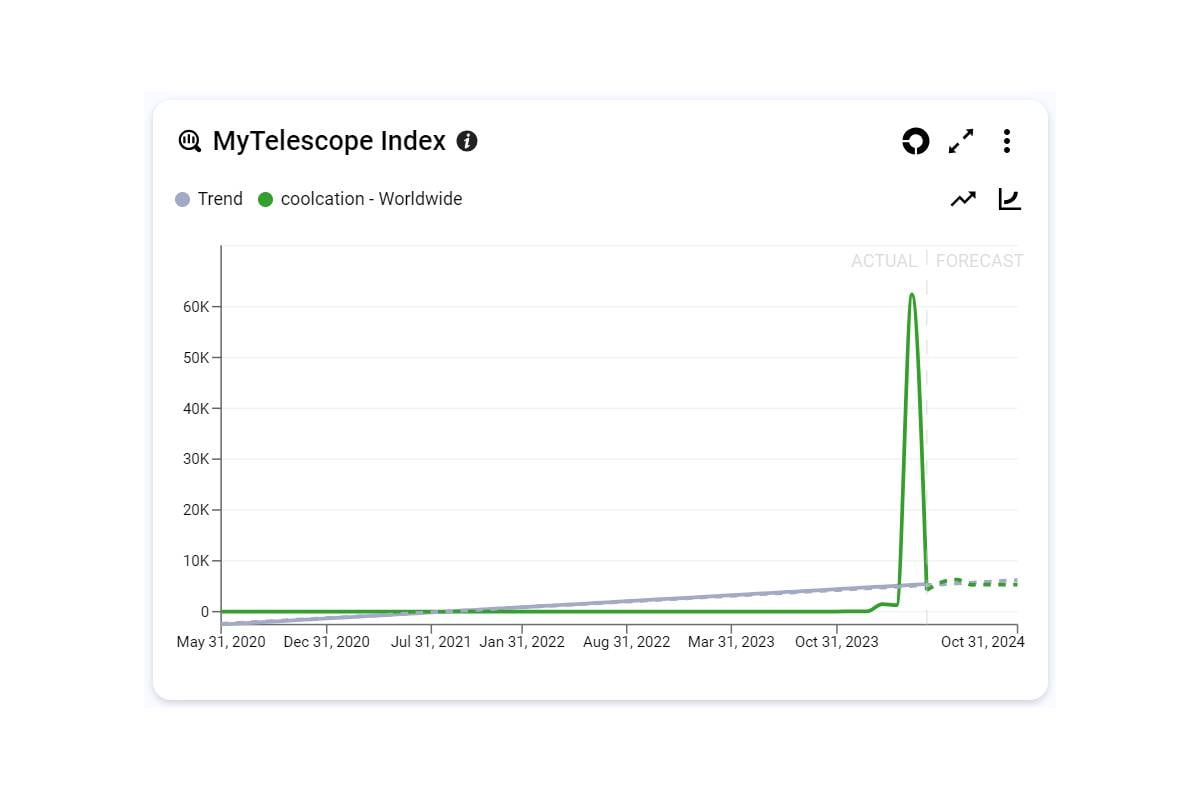
Additionally, the organisation pointed out that Google searches for "coolcation" showed a 386 percent increase worldwide in the examined period, suggesting growing interest.
Where do international visitors come from?
Many visitors to the Nordic region are from countries that are relatively close by, like other Scandinavian or northern European countries, Robertshaw said.
"Norway, Denmark, and Germany are the largest, followed by the USA, UK, Finland, and the Netherlands. The order depends a little on which period you are looking at," he added.
As Sweden continues to attract visitors with its natural beauty and cultural experiences, the trend may well become a significant factor in its tourism growth.
In any case, there is optimism that interest in northern European destinations will continue to rise.
"We sure hope so," Robertshaw said.
Potential challenges down the road
If Sweden ends up seeing a rise in tourism due to the coolcations trend, it might face some of the same issues that have troubled its Nordic neighbours, Norway and Denmark.
These countries are already dealing with an influx of tourists seeking cooler climates, leading to several problems in popular tourist areas, particularly in smaller and more remote regions.
Congestion, infrastructure strain, and environmental concerns seem to be the main pain points.
In Norway, places like the Lofoten Islands have seen severe traffic congestion and environmental strain from increased tourism. This has led local authorities to consider measures such as tourist taxes and stricter parking regulations to manage the crowds.
Denmark has also experienced a rise in complaints about tourists blocking scenic views and littering, especially with the increase in motorhome traffic.
To address these issues, Danish authorities are implementing regulations to limit or ban parking in certain areas.
They are also launching initiatives to promote eco-friendly tourism and ease tensions between locals and tourists.
A version of this article was first published in 2024.
Comments (2)