
"If you've been to an area with an ongoing spread of mpox, be attentive to clear symptoms of mpox, such as painful blisters and wounds. Pay attention to symptoms for three weeks after you return home," urges the agency, after Sweden on Thursday confirmed its first case of the new, more deadly, Clade 1 strain of the mpox virus. This was also the first case of the new strain reported outside Africa.
Formerly known as monkeypox, mpox is an infectious disease caused by a virus transmitted to humans by infected animals but can also be passed from human to human through close physical contact. The disease causes fever, muscular aches and large boil-like skin lesions.
The World Health Organisation (WHO) declared the outbreak in the DRC and neighbouring countries a public health emergency of international concern on Wednesday.
Anyone who has travelled to an area where mpox is prevalent should contact healthcare services if they start displaying symptoms, as should anyone who has been in close contact with a person suspected of having mpox, whether they have symptoms or not.
"By 'close contact', we mean, for example, that you've been living with someone for a period. But sexual contact cold also count," state epidemiologist Magnus Gisslén said.
People travelling to areas with an ongoing spread of mpox are advised to avoid close contact with people, especially sex with new people.
"Mpox is an illness which is considered a danger to society, and that's why it's important to contact the health services if you have any symptoms," Gisslén added. "The Public Health Agency is continuing to monitor the situation and these recommendations could be changed at short notice."
The Swedish Foreign Ministry does not currently advise against travel to countries with an mpox outbreak.
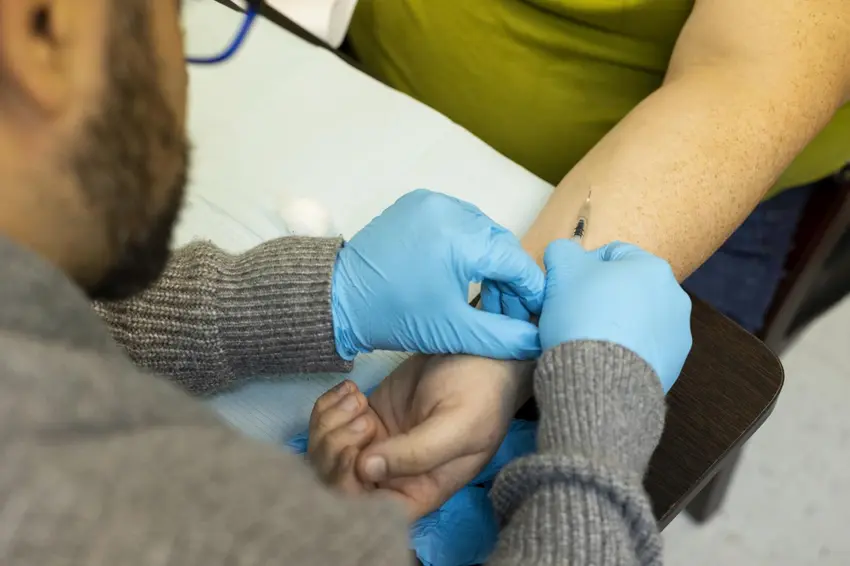
Vaccines are available, although they are currently only recommended for certain groups, including men and trans people who have sex with men (especially those with new or multiple sexual contacts), people who have sex with men for money, people travelling to areas where mpox is prevalent or those who otherwise are deemed to have an increased risk of coming into contact with the mpox virus, for example through their work.
The vaccine is also offered to those who have come into contact with someone who is infected or suspected of being infected with the virus. This includes people within the same household or people who the infected person has had sexual contact with. It is recommended that the vaccine in this case is given within four days of contact.
In general, infected individuals recover within two to four weeks, although the virus is more dangerous for those with a weakened immune system, children and the young.
Comments