
Each season and each region of Sweden has something to offer for everyone, and there are plenty of events and attractions that make all parts of the country worth a visit year round. But if you're taking your lead from the weather and the seasons, here's where you should go.
Spring
After having lived in their cocoons (apartments) during a long, cold and dark winter, Swedes suddenly emerge onto the streets in spring, reinvigorated and unusually smiley towards strangers, pleased to realise the world didn't end, their fellow citizens are still there.
- Don’t miss any of The Local's travel guides by downloading our app (available on Apple and Android) and then selecting Discover Sweden in your Notification options via the User button
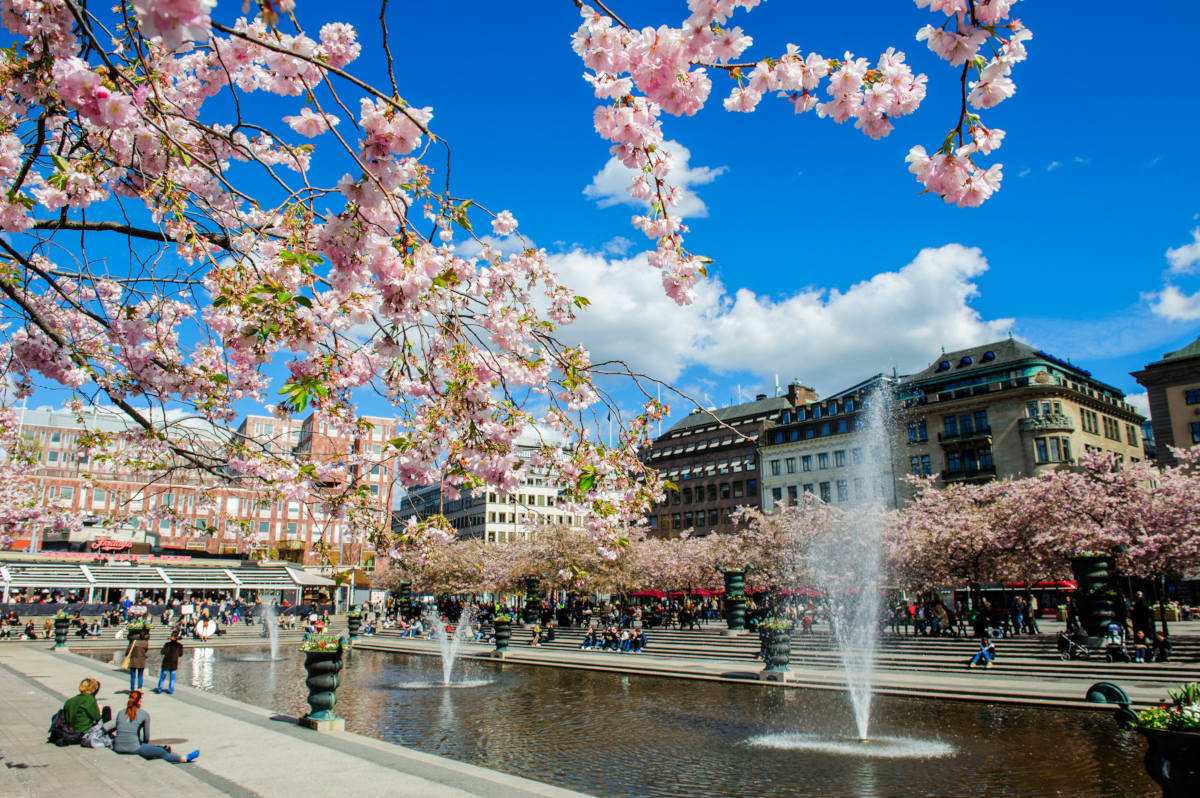
The cities feel especially welcoming this time of the year. Have a fika under the cherry blossoms in Stockholm’s Kungsträdgården park, dine on the finest seafood Sweden has to offer in Gothenburg, or eat your way around the diverse international cuisine of Malmö.
The seasonal change is not as noticeable in Sweden’s smaller cities, but there are plenty that are well worth a visit too.
Some of our favourites of the less metropolitan cities are Umeå (we suggest going in late spring, on the cusp of summer, when the birch trees are in bloom), the university town of Lund, Norrköping (if you have children, head to the nearby Kolmården zoo), and Örebro.
In short, in spring, go city-hopping in Sweden.
Summer
Shun the cities, that’s what the Swedes do.
While it may seem like visiting an emptied-out city in summer would be a calming experiencing, it’s more frustrating than anything else.
Because the Swedish locals leave for their summer houses, it means many places simply shut down. Had you already picked a restaurant to go to, recommended by a friend who was clever enough to visit in spring? No luck, it just closed for four weeks in July.
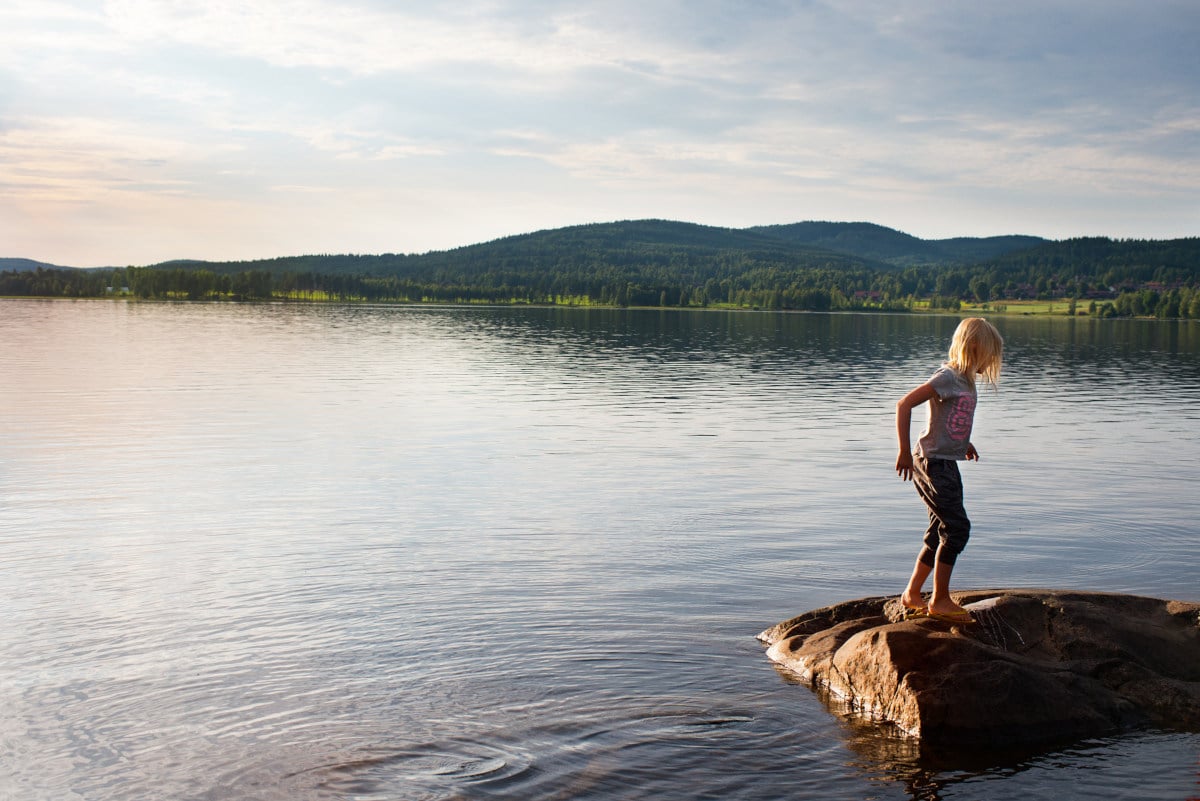
Instead, head to the countryside. Explore the Stockholm or Gothenburg archipelagos, experience the midnight sun on a long hike in northern Sweden, enjoy the sandy beaches of southern Sweden, the rocky beaches of western Sweden, go to Midsummer Eve celebrations in Dalarna, or simply rent a red cottage somewhere in a forest, anywhere, and just… do nothing at all. Bring mosquito repellent.
You'll find there’s no place like the Swedish countryside in summer.
Autumn
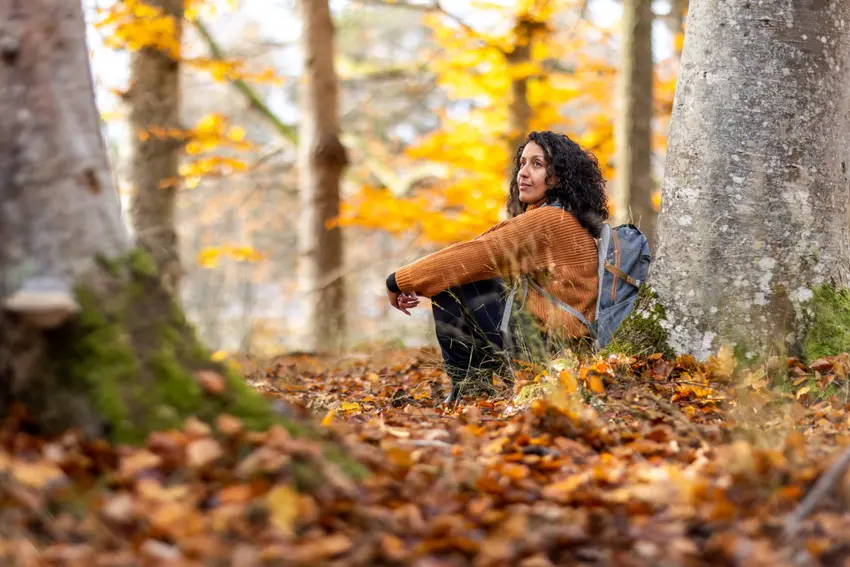
Southern Sweden is the place to be in autumn, especially since a lot of the time you can get away with a cosy, warm sweater, while the rest of Sweden is already having to wrap itself in heavy winter coats and boots that resemble something from the moon landing.
If just taking a leisurely walk through a beech forest (those autumn colours!) isn’t enough for you, try foraging for mushrooms instead.
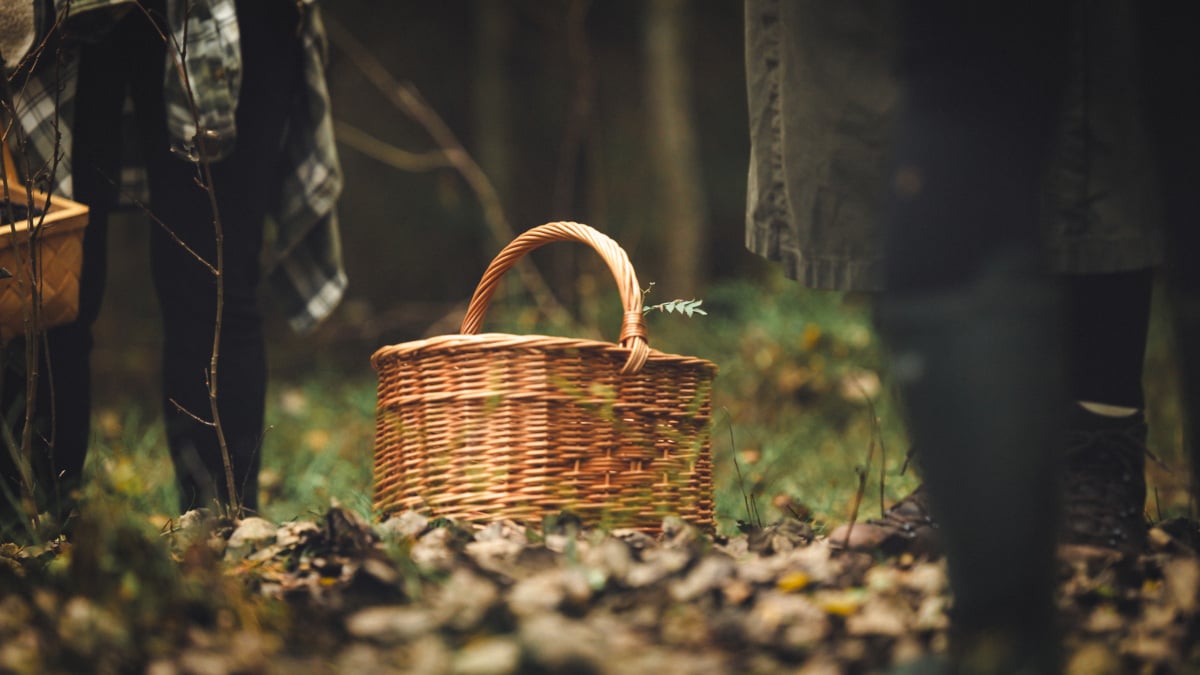
Speaking of mushrooms, it’s a great time of the year to enjoy Swedish produce: everything from apples from the country’s south-eastern tip of Österlen to game, wild boar and hearty stews. Eat at a gästgivaregård – a kind of traditional gourmet pub – in southern Sweden.
Autumn is also the best time to avoid the tourist hordes, so if you’ve been wanting to visit a popular place like the island of Gotland, now is the time to do it: you won’t have to fight your way through the cobbled streets, and you’ll avoid annoying the locals.
Winter
If you’re hoping for snow, despite Sweden having a reputation for being a winter wonderland, southern and central parts of the country are very hit or miss this time of the year. Yes, you may be in luck, but you may also ruin your clothes wading through deep puddles of slush, rain whipping you in the face, wind piercing through skin.
Instead, head north and just keep going. For skiing, Sälen and Åre are by far the most popular ski resorts, but there are more to choose from, for example Vemdalen, Branäs, Idre, and if you’re adventurous, Riksgränsen and Björkliden in the far north-west.
The ski season in Sweden tends to start in late winter, usually around the February school sports break (make a note of the exact dates if you’d rather not swish down the slopes together with middle managers Tobbe, Kattis and their three snotty weans).
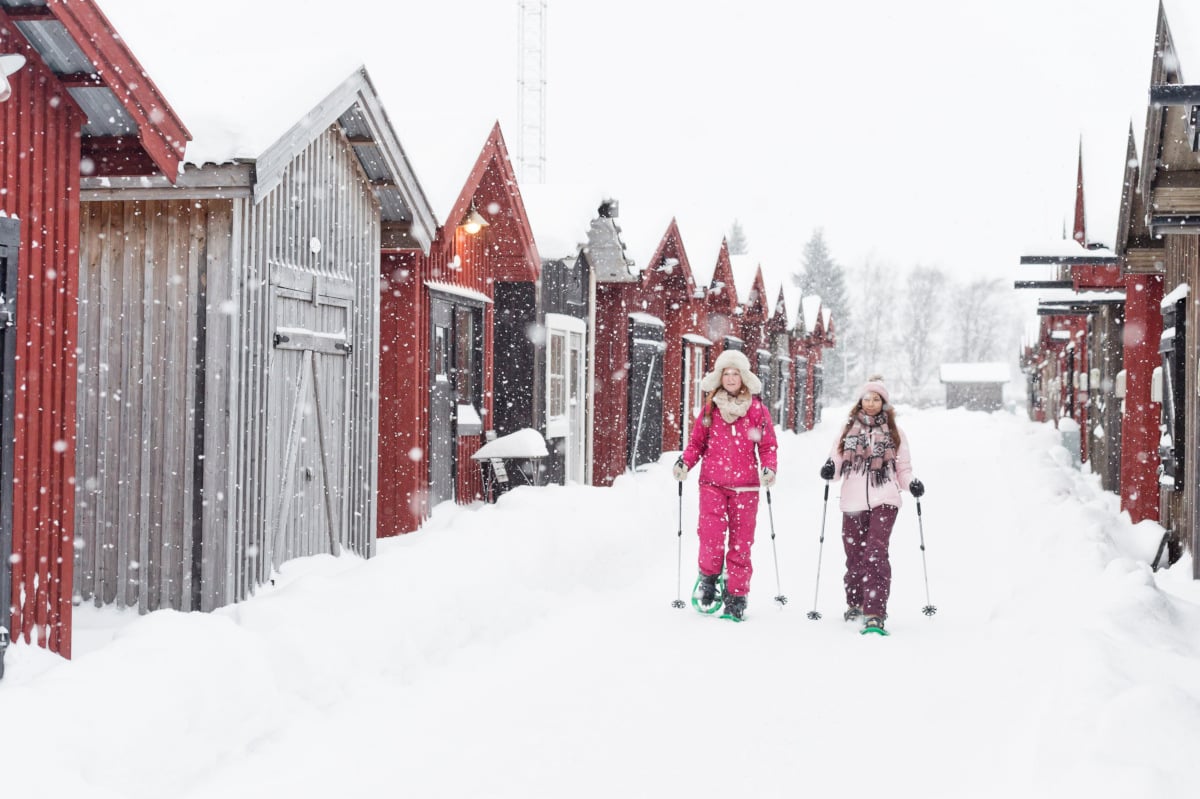
The far north of Sweden in deep midwinter is your best bet for a chance of seeing the Northern Lights.
In December, no visit to Sweden is complete without going to a Christmas market or a julbord – a Christmas-themed smörgåsbord served up at most traditional restaurants (which you can find anywhere in Sweden, not just the north). We also recommend the Jokkmokk Market – an annual market for Sami arts and crafts – in early February, but make sure you book travel and accommodation early as they sell out quickly.
Comments (1)