
It certainly doesn't go back as far as the Vikings.
While they ate a lot of porridge and would have had a soupy stew constantly on the go on the fire, all the evidence suggests these lacked salt, sugar and certainly cinnamon or other spices.
"We have no evidence of spices being imported to anywhere in Scandinavia at that time. There's no written evidence and there's no physical evidence [from archeological digs]," Daniel Serra, a culinary historian, told The Local.
"They find herbs. They find juniper berries, mustard seeds, definitely. But there's no evidence of exotic spices."
Serra is sceptical of suggestions that the Swedes who travelled to Constantinople to serve as mercenaries in the Varangian Guard would have brought spices back with them on their return.
"You would need an audience that knows what it is," he says. "You would be spending all your savings on bringing home these spices that nobody would understand, whereas if you bring home silk fabric, gold or silver, people will know what it's about."
Spices like cinnamon and cumin were, however, certainly available during the Viking period in the bigger cities of Germany and northern France, but they appear to have stopped there.
"One of the earliest evidence for spices is the description of a market in Mainz by an Arab cumin merchant, who finds spices, but then he goes on to Hedeby, which is in the south of Denmark, and says only that the food is terrible. So I think there was a clear demarcation line."
Cinnamon comes to Sweden
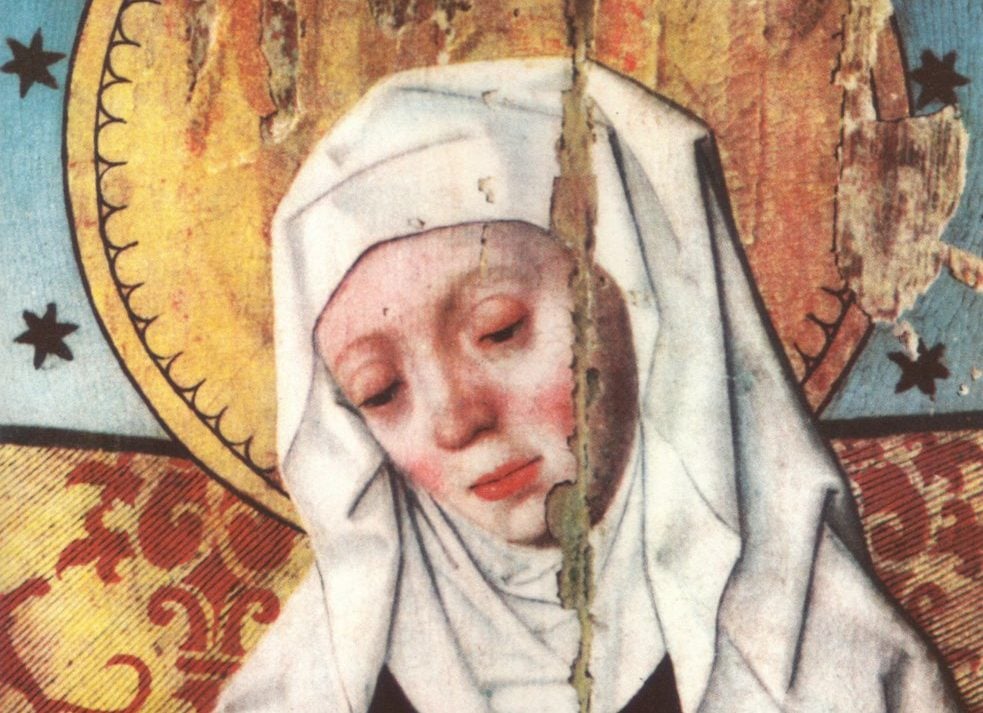
The earliest written evidence of cinnamon being used in Sweden appears in a recipe for the mulled beer Saint Bridget of Sweden, known as heliga Birgitta, served to guests at the funeral of her father in 1328, when half a kilogram of the expensive spice was used.
"There are two main reasons for serving cinnamon here," Serra says of the use of cinnamon in the funeral beer. "It's to show your status, because it was an expensive import, to show that you're part of the continental European food culture, and it also has medical properties."
Bridget of Sweden's father, Birger Persson, was governor of Uppland and one of the richest men in Sweden. "Next to the king, he was the most potent, powerful man in Sweden at the time. So when he dies, she has to do something extraordinary."
But cinnamon had probably begun to become available to the elites in Sweden fifty or a hundred years before this. It is included as an ingredient in several recipes in Libellus de arte coquinaria, The Little Book of Culinary Arts, a cookbook attributed to the Danish cleric Henrik Harpestræng, the Canon of Roskilde Cathedral, who died in 1244.
"What he includes in the cookbook is a cameline sauce, which is based on vinegar and cinnamon with some herbs to it. I think there's mint and parsley," Serra says. "You would have had small morsels of meat and dipped your food into the sauce. There's also one where you make a bread pudding with saffron and some cinnamon sprinkled on top of that, but as a sort of savory side dish."
The Salsor Dominorum sauce in the book, used for wild game pickling, features a mix of cloves, black pepper, cinnammon, nutmeg, ginger and cardamom: a similar mix to that used nowadays in the pepparkakor biscuits Swedes serve at Christmas.
From rich merchants to ordinary people
It was not until well into the 13th century, when the Hanseatic League began to increase trade with Sweden, that the spice began to be used more widely, although it remained a luxury.
"In the Renaissance, you have a rising middle class who want to show off that they are part of the elite, so you start getting these cookbooks and you also have luxury laws around Europe, which say 'if you are a peasant or you are a merchant, you can't have these spices'," Serra says.
The use of spices like cinnamon then slowly spread from the very wealthy to become something ordinary people would use to mark big celebrations. "It trickles down to become festive food, for Christmas or for festive occasions."
Spices only began to come to Sweden in large quantites with the advent of the East India trade in the 18th century. The Swedish East India Company, founded in Gothenburg in 1731, brought spices and also sugar to Sweden in large quantities for the first time.
Cakes and kanelbullar
Cinnamon was initially used in savoury dishes. It was only when sugar began to be produced at plantations in the US and Caribbean and imported to Europe in large quantities that cinnamon began to be used in cakes and desserts, and it wasn't until sugarbeet began to be planted in Sweden the late 19th century that sugar became a commodity available to almost everyone.
"The first recipe we have for a sweet cinnamon dish in Sweden is from mid-16th century, and it is written by one of the last Catholic bishops of Sweden," Serra told us. "It's for a tart or cake including eggs, sugar, cream, cinnamon and ginger, which he said was made in Sweden for noble women when they were feeling unwell."
The bishop was in exile, and the recipe, Serra says, was part of a book aimed at showing the Catholic world why Sweden was special and so encouraging them to intervene and return it to Catholic rule.
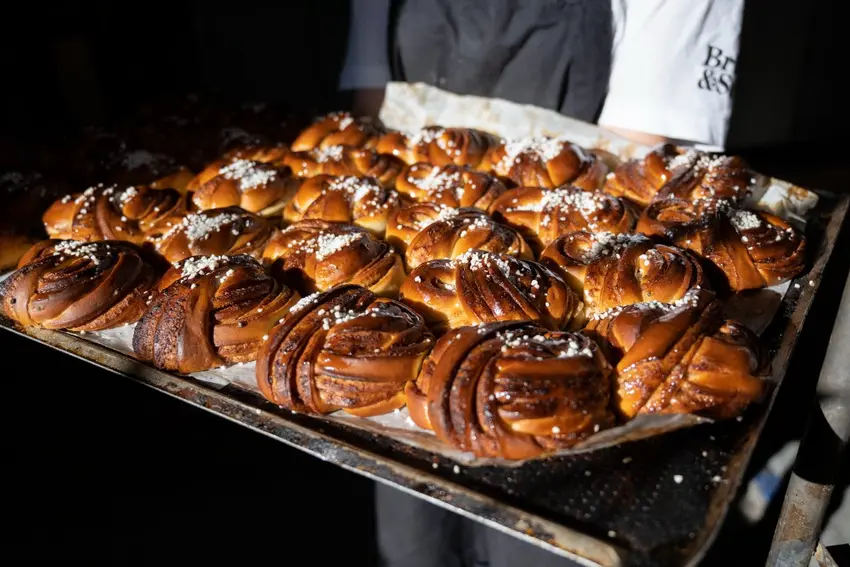
It wasn't until the middle of the 19th century that cafés serving Viennese-style patisserie started to become established in Sweden. The kanelbulle, or cinnamon roll, appears to have arrived or originated in Sweden on the west coast, in and around Gothenburg.
According to the website Högtider och traditioner, the earliest recorded written mention of kanelbullar comes in 1857, when there's an advertisement for "saffron and cinnamon rolls" in the local newspaper in Åmål, on the west coast of Lake Vänern. In 1868, there's a similar announcement in the Göteborgs-Posten newspaper.
The now ubiquitous bun does not appear to have arrived in Stockholm until decades later, with the first mentions in Dagens Nyheter and Svenska Dagbladet not coming until 1925.
The real explosion, however, came when rationing was lifted at the end of the Second World War. The first edition of Vår Kokbok, Sweden's classic collection of home recipes, contained a recipe for kanelbullar, helping to turn them into the Swedish staple they are today.
Comments