
It’s currently illegal in Sweden for a parent to marry their child, or for someone to marry their brother or sister (marriage between half-siblings is allowed in some cases, if the couple has sought dispensation).
However, marriages between cousins, or between an aunt or uncle and their biological niece or nephew, for example, are still permitted.
Why does the government want to change this?
It argues that cousin marriages are often arranged marriages decided by other family members, and that they therefore constitute honour-based oppression.
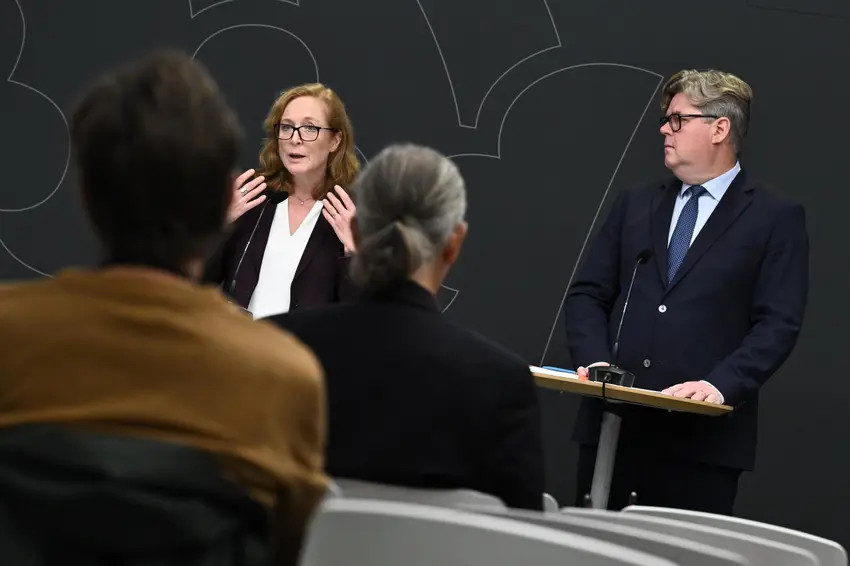
“The background [of this proposal] is that honour-related violence and oppression is a major social issue,” Justice Minister Gunnar Strömmer told a press conference.
“Too many people have their lives, basic freedoms and rights restricted as a result of oppressive standards of honour, and part of that is cousin marriage.”
The government and the Sweden Democrats agree on this issue and it is included in the parties’ coalition document, the Tidö Agreement.
How many people in Sweden are married to their cousin?
According to the head of the inquiry Anne Kuttenkeuler, councillor and vice president of the Svea court of appeals, the Migration Agency has indicated that cousin marriages occur in regions like the Middle East and North Africa, as well as countries like Egypt, Afghanistan and Syria.
Kuttenkeuler said that the number of marriages between cousins in Sweden is unclear, but she estimated it to be around 140-150 people.
The proposal would also ban other marriages between close relatives, as well as removing the current rule allowing half-siblings to marry.
Foreign marriages between cousins carried out abroad would also no longer be recognised, although marriages which took place in Sweden before the proposed law is scheduled to come into force (July 1st, 2026), would still be legally valid.
Norway passed a law on marriage between cousins last summer, although such bans are unusual within the EU.
Are there any potential issues with the proposal?
The inquiry indicated that the ban could cause families or other groups to continue to arrange marriages, despite these not being legally recognised in Sweden, although Kuttenkeuler still believes that a ban could make a difference.
“Even if informal marriages take place, a ban is a clear signal that society does not agree with this kind of limit to freedom, and that could give young women the strength to say no,” she said.
Comments