
What were the old rules, and how have they changed?
Prior to June 1st, alcohol producers were only allowed to sell their products for consumption on site. Anyone wishing to buy alcohol over 4.5 percent ABV to take home with them could only do so via the state-owned alcohol monopoly, Systembolaget.
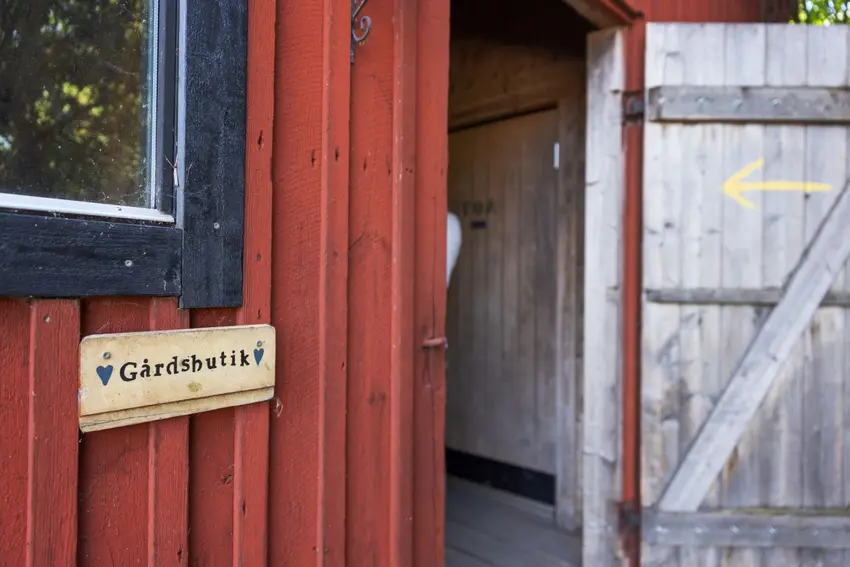
From June 1st, some producers, such as vineyards and microbreweries, are now allowed to sell their products on-site for consumption elsewhere, in what is known in Swedish as gårdsförsäljning, literally "farm sale".
Who is allowed to sell under this scheme?
It only applies to producers who make a maximum of 75,000 litres of spirits, 400,000 litres of fermented drinks up to 10 percent ABV or up to 200,000 litres of fermented drinks over 10 percent ABV.
The law includes all types of alcohol and does not require that drinks' ingredients are produced or grown on-site, with the exception of grapes for wine.
Are there any limits to how much people can buy?
Eligible producers are able to sell their drinks on-site between 10am and 8pm to visitors who have paid for a guided tour, lecture or similar. Visitors are allowed to buy up to 3 litres of wine, beer or cider, and 700ml of spirits.
How have small-scale producers responded?
The new law, which Prime Minister Ulf Kristersson called a “freedom reform” when it was proposed last summer, has had mixed reactions from producers.
Thorsten Persson, a wine producer in Österlen in Skåne, was positive towards it.
“Finally,” he told TT prior to the law change. “Danes and Germans just don’t understand [the current rules].”
His company, Österlenvin, already hosts guided tours and tastings, although visitors have not been able to buy bottles of wine to take home with them.
“We have a lot of visitors, many of them from abroad. It’s always disappointing when someone does a tour and isn’t able to buy wine to take with them. Sweden is actually the only country in the whole of the EU where they can’t buy a bottle of wine.”
When the law was first proposed in June last year, The Local spoke to small-scale cider producer John Taylor, of Dryg Cider, who described it as “a joke”.
"The idea that you're allowed to buy three litres of an alcoholic drink but only as part of a guided tour or lecture is a kind of Kafka-esque joke. What other products do you have to do that for?" he said.
Despite this, he said there were some positives.
"For people who do have farms, it will make a big difference. Because everyone in our industry – small scale drinks producers – struggles to make any money at all. So this will really change things for anyone with a farm shop, which is really good."
Dryg rents their land, so they will not benefit from the new law, Taylor said.
"It makes no difference for small-scale producers in cities and those of us who rent land and have to sell via the alcohol monopoly."
He welcomed the move as a step in the right direction, but would like to see the government do more.
"We really want to just be able to sell our product just like any other craft producer in Europe. Which means the abolition of the state monopoly and a free market."
The law is expected to benefit around 600 small-scale producers.
Comments (1)