
Both the Confederation of Swedish Enterprise and Swedish Regions, which represents local government, have been lobbying the government to reduce the minimum salary level for a work permit from the current level of 80 percent of the median salary, or 28,480 kronor, which they complain is harming national competitiveness and making it difficult to staff for public services such as healthcare.
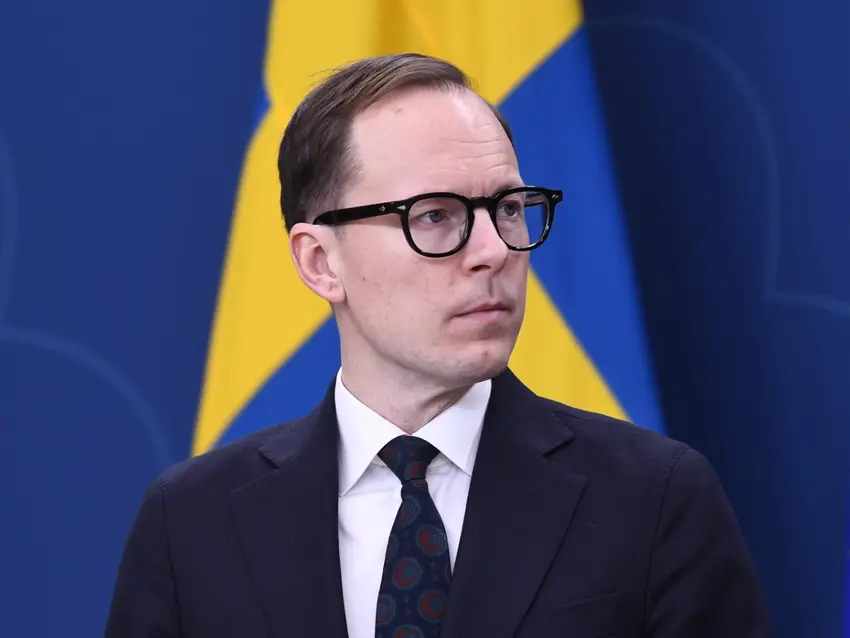
"I do not want to pre-empt the discussion about the exact level, but I can state that the Liberals are more than willing to listen to the business community," Persson, who was appointed to his role in September, told the Dagens Nyheter newspaper.
Anders Henriksson, the chair of Swedish Regions, welcomed the first signs of compromise from the government on one of its most unpopular reforms.
"Staffing is absolutely crucial for welfare. It is good that the employment minister is now opening up to allow [employers and unions] to set wage levels," he said. "The important principle is that the parties to collective agreement set wage levels. I am completely against government-led wage policies."
He said that it was currently impossible to educate and recruit sufficient staff domestically to run health and other welfare services.
"The labour requirements for welfare are greater than what is available. Of course we need to educate more of those who are currently unemployed, but that will not be enough."
Persson's statement is further evidence that the government is rethinking its decision to bring in tougher salary requirements for work permits.
This also makes it appear less likely that the next stage of its plan, which would increase the minimum level to 100 percent of the median salary, currently 35,600 kronor, while bringing in a system of exceptions for roles in high demand, will go ahead.
The far-right Sweden Democrats told the newspaper that a median salary limit for work permits was one of the points which provides the basis of the ruling parties' coalition agreement, the Tidö Agreement.
"The current level of the wage floor is something that has been negotiated between the collaborating parties within the framework of the Tidö Agreement, and any changes would in that case have to be the subject of new negotiations," the party's press spokesperson, Ludvig Grufman, said.
A government inquiry on raising the minimum salary for work permits to 100 percent of the median salary reported in February last year, with all responses to the consultation, many highly critical, received by the government in April.
Since then, the government has continued to delay the next stage in the process – submitting a draft bill to the Council on Legislation – leading to speculation that the proposal will be quietly dropped in the face of business opposition.
The Green Party's immigration spokesperson, Annika Hirvonen, told The Local last month that her contacts at the Confederation of Swedish Enterprise were increasingly hopeful that they had managed to convince the government not to push ahead.
"I get some signals from the Confederation of Swedish Enterprise that the government might realise that this would be a detrimental blow to industries in the sectors that we want and need to grow, so I really hope that they come to their senses," she said.
Sweden's Migration Minister Johan Forssell told Dagens Nyheter that the government had still not finished drawing up a proposal for the second stage of the salary hike.
"When it comes to the future changes, those are still at the preparatory stage. There is currently no completed proposal on a further increase," he told the newspaper.
Comments (3)