
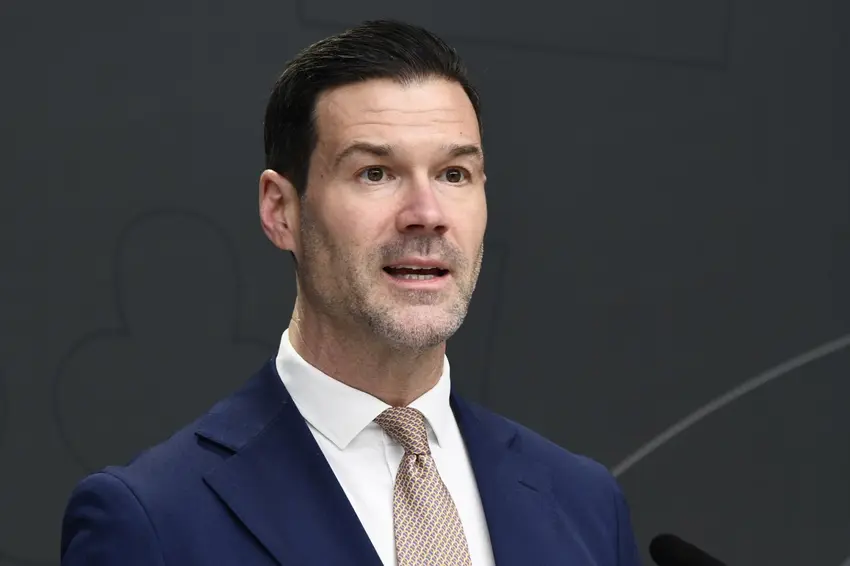
Swedish migration minister Johan Forssell published a photo last week of himself sitting round a table with a group of experts to work out what might make Sweden more attractive to highly-skilled foreigners. The blindingly obvious problem with the photo: not a single one of the people he had invited to his so-called “business council” was themselves a foreigner.
If you are Indian, American or German, say, and have spent years honing your abilities as a scientist or an engineer, then you are in the Swedish government’s eyes “talent” — and it wants you to come here, build Swedish companies and pay taxes.
Sweden’s knowledge economy needs smart people to drive it forward. The country’s demographics (like many similar countries, the population is ageing), along with the fact that many of the skills needed are highly specialised, mean that many of them will have to come from abroad.
And just as important as attracting people is enticing them to stay, and there are signs things aren’t going well: recent figures suggest more and more non-Swedes are leaving the country to live in Germany; the number of Indians ‒ in recent years the largest group of highly-skilled migrants ‒ leaving Sweden rose last year for the third year in a row, while the number of Indians moving to the country fell. What would make more people want to come here — and entice them to stay?
Money is one answer: talented people planning a move abroad have options, and it can be hard to turn down the highest bidder. Swedish salaries for highly-qualified people can be on the low side compared to the US or Germany, or even the other Nordic countries. A dynamic economy is also a prerequisite.
But of course, ‘talent’ is really just business-speak for people. One of the biggest failings of this government and the Swedish business community is talking about people moving here for work as if they were mere economic units.
People moving across continents are choosing not just a job but a home, a culture and a future. And not just for themselves, but often also for a partner and children.
Knowing that your visa application will be handled quickly, knowing that the government won’t pull the carpet from under your feet by changing the rules as soon as you’ve got settled, knowing your kids will have good schools to go to, and giving you the option of putting down roots by getting citizenship — all of these things are vital for many immigrants to feel confident moving to another country, yet Sweden has been going backwards in many of these areas.
The terrible news from Northvolt this week, which will affect many foreign workers, is a reminder that people on work permits are very vulnerable when things go wrong.
Businesses are good at raising many of these issues — after all, they speak to their staff and they experience the frustration of dealing with Swedish bureaucracy on a daily basis. But the immigrant experience can’t just be filtered through Swedish HR managers: if this country is going to make itself more attractive to move to, and more attractive to stay in, the government needs to get input from labour immigrants themselves.
Sweden has many things going for it — and as European Central Bank boss Christine Lagarde said recently, the election of Donald Trump gives it, and other European countries, a chance to attract the brightest and the best from the US. But to understand how, Sweden needs to show a proper curiosity about the people it’s trying to attract.
And if Johan Forssell wants to find some people to invite onto his business council, we have some tips.
Comments (22)