
The interim conclusions of the EU minimum level inquiry recommended that even UN quota refugees and refugees who have lived in Sweden for five years, two groups which are currently eligible to receive permanent residency, should only be eligible for temporary permits.
The inquiry, chaired by the judge and former Sweden Democrat official Josephine Boswell, recommended repealing the current regulations allowing for permanent residency and introducing new regulations for temporary permits.
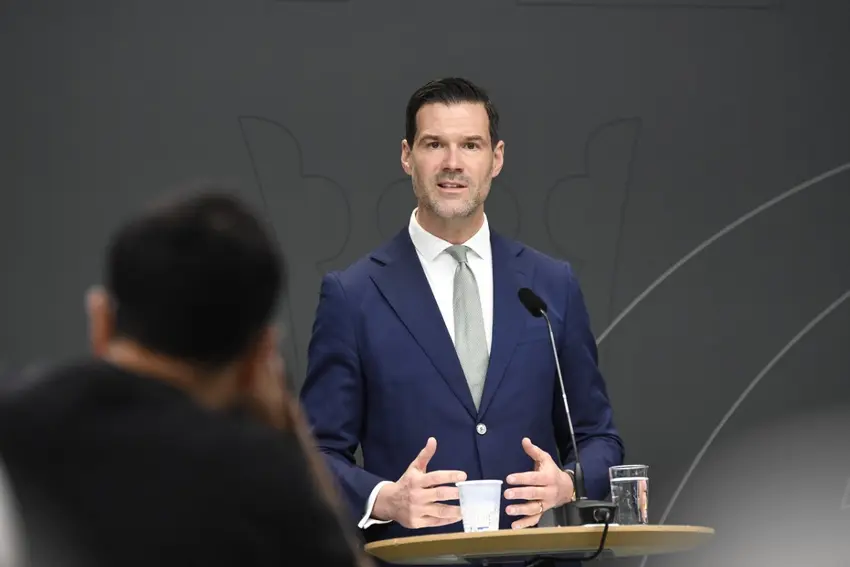
"This will have a significant impact on keeping asylum immigration to a low level," Sweden's migration minister, Johan Forssell, said as he received the report.
During the 2015 refugee crisis, Sweden passed a temporary law ending refugees' automatic right to permanent residency, a change that was later made permanent in a new migration law in 2021.
There are today 45,000 refugees living in Sweden with temporary residency permits, including relatives who have come to Sweden under family reunion laws.
If the proposals are made law, they will no longer be able to gain permanent residency, the inquiry recommends that they should still be eligible for citizenship if they meet the necessary requirements, such as employment and self-sufficiency, language ability and an upstanding way of life.
"An important point in all this is to increase the incentive to become a citizen," Forssell said.
READ: Sweden's inquiry on reducing asylum rules to the EU minimum level
The proposal was welcomed by the far-right Sweden Democrats, who had made reducing asylum rights to the EU's minimum level a condition of supporting the government in the so-called Tidö Agreement.
"We are pleased with this and think the proposal is good," the party's immigration spokesperson, Ludvig Aspling, said. "We think this is a reasonable set of rules. If you want to live permanently in Sweden you should be a citizen and meet the requirements for that."
The inquiry also made several other recommendations intended to tighten asylum legislation:
- It recommended limiting asylum to just one hour of free legal advice provided by the state, something Aspling said would reduce the cost to the Migration Agency, which spent 170 million kronor funding legal advice for asylum seekers in 2024. Those whose asylum claims have been rejected and appealed to the migration court will still have the right to a lawyer.
- It recommended empowering the Swedish Migration Agency to reject asylum applications in more situations than currently permitted, including cases where an international criminal court or tribunal has granted the applicant safe transfer to a Member State or a third country, and under specific conditions when an applicant is subject to a return decision.
- It proposes empowering the Migration Agency to declare an asylum application "manifestly unfounded" in all situations allowed under the Asylum Procedure Regulation.
The second and most controversial part of the inquiry, which will look into the possibility of retracting permanent residency rights from people who have already been awarded it, is due to report on on October 2nd.
Comments (4)