
A press officer for Sweden's Migration Minister Johan Forssell told The Local that the inquiry on revoking permanent residence had been "limited to asylum-related residency".
While this is mostly true, it isn't completely.
One of the eight groups of people who would have permanent residence revoked under the proposed "special act" is "foreigners who meet the conditions to be granted Long Term Residency status, or varaktigt bosatt (Chapter 5a)"
LTR status is a form of residency under EU law which anyone can apply for who has been living legally in an EU country for five years or more.
Sweden has historically granted permanent residency under Swedish law to everyone who applies for and receives Long Term Residency status under EU law, something the first part of the inquiry said in June that it wanted to change.
Many, perhaps most, of those with Long Term Residency status (LTR), or varaktigt bosatt, did not come to Sweden as asylum seekers.
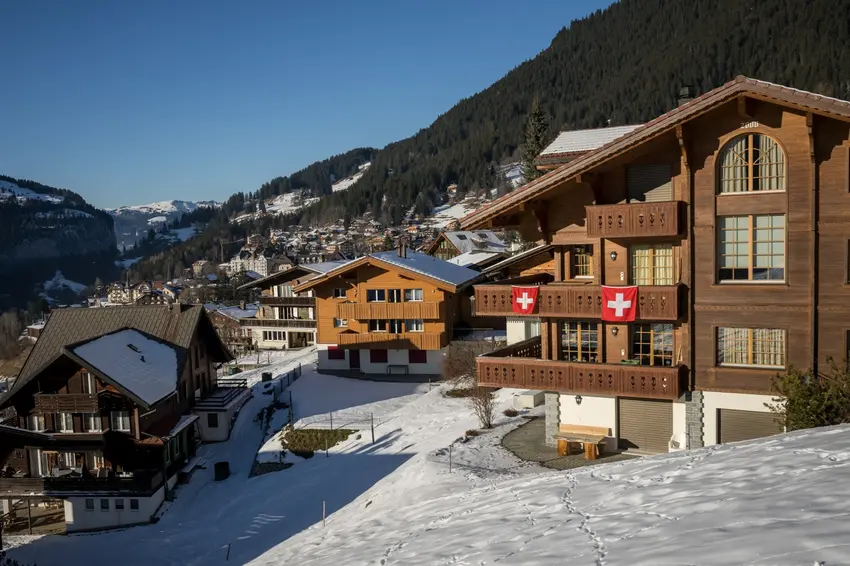
By a quirk of the law, most, (or perhaps all – we're trying to check) Swiss citizens who have permanent residency in Sweden have it on the back of LTR status.
The SULF union for university researchers, lecturers and PhD students, has also long been advising doctoral students and researchers to use the LTR route as the EU rules, unlike Swedish rules, allow them to use funding or grants to meet self-sufficiency requirements.
Some others opt for LTR as it makes it easier for you to move to a different EU country (except Denmark or Ireland) to work, study, start your own business or live on your pension.
Although there is nothing to stop such people applying for and receiving permanent residence under Swedish rules at the same time, not all will have done so.
READ ALSO:
- Explained: Sweden’s plan to revoke permanent residence permits
- Your questions answered on Sweden's plan to revoke permanent residence permits
- 'Only people who got a work permit will keep Swedish permanent residency'
So how many people without an asylum background are at risk?
According to statistics sent to The Local by the Migration Agency, there are 2,058 people with LTR status in Sweden, 1,350 of whom have LTR from being resident in Sweden and 708 from living in another EU country.
There are also 121 recorded as "Swiss", who may also have permanent residence on the basis of LTR (we're checking).
Given that there are 227,048 people with permanent residence in Sweden, of whom about 120,000 are liable to have their permanent residency revoked, you can see why the government might overlook those with LTR.
Has Sweden just accidentally proposed revoking the permanent residency of all Swiss citizens?
The Swedish Migration Agency has confirmed to The Local that Long Term Residency appears to be the only route to permanent residency for Swiss citizens who are not resident in Sweden as a spouse or family member of a Swedish citizen.
But statistics the agency has sent to The Local make it highly unclear how many Swiss people in Sweden will be affected.
The statistics only listed 46 Swiss citizens as having permanent residency on the basis of Long Term Residency, but for fully 442 of the 1,142 Swiss citizens granted permanent residency, the agency has no record of the grounds for giving it, because case officers either failed to enter a registration code or used the wrong one.
This means that as many as 488 Swiss citizens could lose their permanent residence permits, or as few as 46.
How many people with an asylum background could lose permanent residence?
The other seven categories of people targeted by the new law do have asylum backgrounds. They include:
- foreigners who have been granted permanent residence permits based on their refugee
status (Chapter 4, Section 1 of the Aliens Act) - foreigners who are eligible for subsidiary protection (Chapter 4, Section 2)
- foreigners who have resettled in Sweden as quota refugees (Chapter 5, Section 2)
- foreigners who been granted permanent residence permits on the grounds of exceptionally distressing circumstances or in cases of certain impediments to enforcement. (Chapter 5, Section 6)
- foreigners granted permanent residence permits in accordance under older laws.
- foreigners granted permanent residence permits on the grounds of the Act on Residence Permits for Upper Secondary School Studies, or Gymnasielagen (2017:353)
- the dependants of all groups mentioned above.
The inquiry estimated that about 120,000 people were likely to have their permanent residency revoked. According to Migration Agency figures obtained by The Local, the list of those with permanent residency includes:
- 50,901 people with residency through asylum
- 16,239 dependents to refugees/people granted asylum
- 22,792 quota refugees
- Some of the 33,888 people with permanent residence after coming to Sweden due to a newly-established relationship (moving to marry, cohabit or other serious new relationship)
- 5,050 people (mostly Afghan child migrants) granted permanent residence under the so-called gymnasium law
How likely is it that the proposed 'special law' will be passed and permanent residency permits revoked?
It's far from certain.
The government has so far not committed to drawing up a bill on the basis of the inquiry's recommendations and putting it to parliament.
Under the terms of the Tidö Agreement with the far-right Sweden Democrats, the government parties committed only to holding an inquiry into revoking permanent residence and did not commit to putting a law to parliament to make it actually happen.
"I want to emphasise that the government has yet to take a position on the inquiry's proposals," Forssell's press secretary told The Local. "It must first go out to consultation and then be analysed by the government offices".
If the government does push ahead, the inquiry recommended that the law come into force on January 1st, 2027.

Comments (5)