
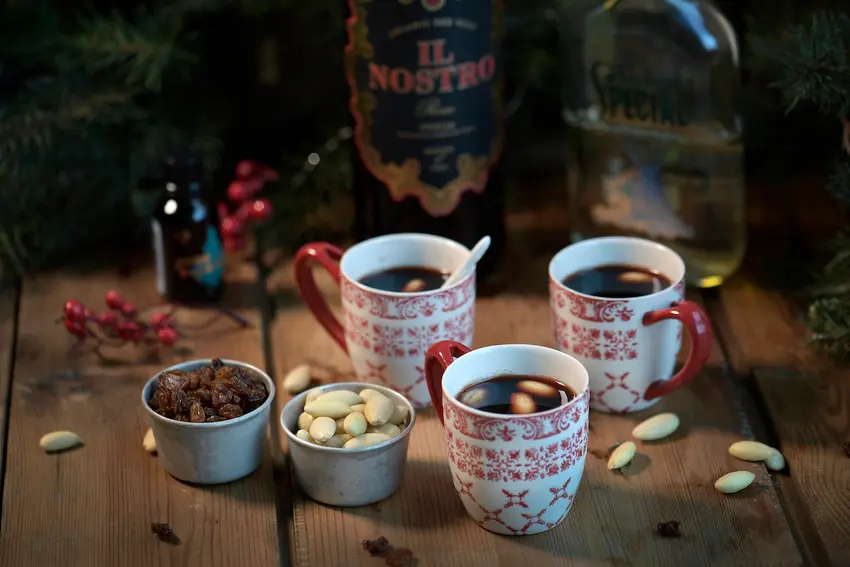
The only real way to translate glögg into English is mulled wine, but that doesn't cover the half of it.
It's telling that the relevant section on the website of state liquor chain Systembolaget is called "Glögg och Glühwein" – "Glögg and Mulled Wine." The section lists 121 different types of mulled wine and glögg.
If it's not mulled wine, what is it?
There is usually a spiced wine base in glögg, and in that respect it is indeed mulled wine. But plenty of the bottles you'll find at Systembolaget have about as much spirits in them as wine.
Common boozy glöggs are based on rum or whiskey, along with some straight-up distilled alcohol, but there are also gin and vodka-based glöggs.
You can also find white wine glögg, sour beer glögg, sparkling glögg, rosé glögg, and blueberry glögg, not to mention a plethora of gimmicky glöggs made with lingonberries, pineapple, or even jalapeños.
Some popular glögg brands also produce an annual glögg (årets glögg), which is a special blend on a unique theme made just for that year's Christmas.
So is glögg always alcoholic?
Nope! In fact, any glögg you're served at a public, community, or school event is almost certain to be alcohol-free.
Non-alcoholic glöggs usually have a fruit juice base – apple and/or grape is common – or, sometimes, dealcoholised wine. They're also the ones you'll find on the shelf at your local grocery store in December.
But if you want to avoid alcohol entirely, check the label carefully: grocery stores in Sweden can sell drinks with up to 3.5 percent alcohol. Fully non-alcoholic glöggs, of which there are plenty, will be labelled alkoholfri.
But what does it taste like?
If you are a glögg novice, it's helpful to know that despite the perhaps bewildering variety of bottles on the shelf, most glöggs are variations on a theme. While producers tend to be cagey about their exact spice blend, cloves and cardamom are standard, and often ginger, cinnamon, or orange peel too.
Thanks to these similar spice profiles, the standard non-alcoholic glöggs – the kind likely to be served at a Lucia performance or the holiday meeting of your local förening (community organisation or sports club) – tend to taste pretty similar to the most common alcoholic ones, just with less of a kick.
But whether you're having your glögg with or without booze, outside in the cold from a paper cup or inside from a cute little glass, it's a great way to ease into a warm, cozy, and relaxed Christmas feeling. And for the real experience, don't forget to add blanched almonds and raisins before drinking.
Now that I've had mulled wines in Canada, the U.S., and the UK, I feel confident saying that Swedish versions are the best of the bunch. Glögg, I think, is what other mulled wines dream of being when they grow up. Skål (cheers)!
Comments