
What is this about?
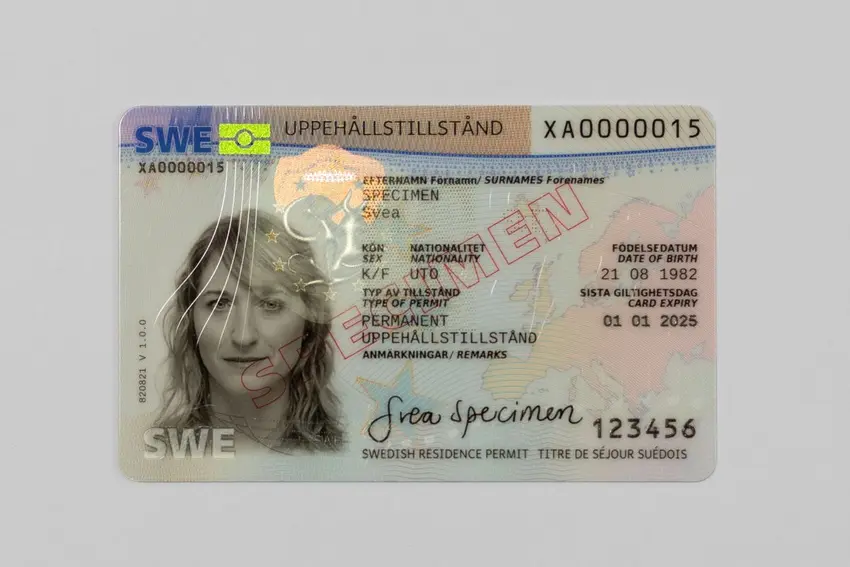
A Swedish government inquiry proposed a new law at the end of last year which could lead to close to 120,000 people being stripped of their permanent residency permits. A new budget from the Migration Agency has now revealed how much this is likely to cost if the law is enacted.
The agency believes there are 118,700 cases which would be affected by the proposal, excluding any permanent residency holders who would be eligible for citizenship (see more details on the proposal below).
READ ALSO:
- Sweden’s plan to revoke permanent residence permits
- Your questions answered on Sweden's plan to revoke permanent residence permits
Processing those cases would take eight years, cost a total of 3.6 billion kronor during those years and require 336 people working full time per year, according to the agency.
What exactly did the inquiry propose?
The general rule, which the inquiry recommended should come into force on January 1st 2027, would be that permanent residency permits are revoked and replaced with temporary residence permits, if the person in question still meets the requirements for a temporary permit.
The inquiry recommended that the only people to keep their permits are those whose permanent residence permits were granted as a result of a work permit (and their dependants), or those who gained a permanent residence permit on the basis of being a partner of a Swedish citizen.
You can read more on the details of the inquiry and who exactly will be affected in this article.
If the foreigner applies for citizenship by December 31st, 2026, they would be covered by an exemption, and would not have their permanent residence permit revoked.
This exemption would remain in place until they have received a "final and non-appealable decision" on their citizenship case.
If they are then refused citizenship, their permanent residence permits would then be revoked.
They would then automatically be assessed for a temporary residence permit, with the Migration Agency first determining if they qualify for a permit on the grounds of long-term resident status (varaktigt bosatt).
Temporary residence permits on the basis of long-term resident status would be valid for five years and are designed to be automatically renewed at the end of five years so long as the holder still meets the requirements.
If they do not qualify for a residence permit on the basis of long-term residency, it would be up to the individual to decide whether to apply for residency on the basis of asylum, work, study, or family links.
If they do not qualify for temporary residence on these grounds, the individual would then, as a general rule, be deported.
"For those who cannot be granted such a permit, it will mean as a starting point that they need to leave the country," the document reads.
The inquiry recommends a safeguard clause, which, if enacted, would mean that permanent residence permits should not be revoked if there are "exceptional reasons against it", so long as the foreigners' expected conduct is such that there are no doubts over allowing them to stay in the country.
Is this likely to become law?
The government and the Sweden Democrats are in disagreement as to whether it should become law or not.
The Sweden Democrats believe that the four parties agreed in their coalition document, the Tidö Agreement, to enact the law, while the other three parties say they only agreed to investigate it.
The three government parties – the Moderates, Christian Democrats and Liberals – also want the issue to be investigated further.
"I don’t think the investigation is sufficient, particularly when it comes to giving people a real possibility of gaining citizenship," Liberal leader Simona Mohamsson told Aftonbladet.

Comments (16)