
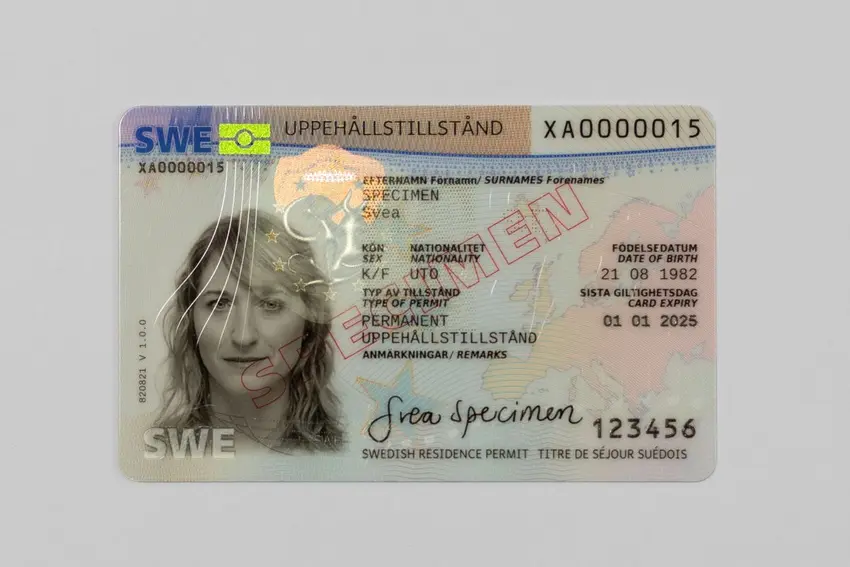
The draft bill, which was sent to the Council on Legislation on Monday, will make anyone with residency in Sweden on the basis of asylum, subsidiary protection, "exceptionally distressing circumstances" or LTR ineligible for permanent residency.
Instead, they will receive LTR permits which need to be renewed every five years.
If the bill passes, permanent residency will be reserved for former work permit holders, those with permits to run their own business, those with permits because they are self-sufficient, and those with permits on the basis of doctoral studies or research.
"The goal is to reduce asylum-related immigration to sustainable levels in order to create better conditions for integration and to reduce exclusion," the government said in a post on its website.
The bill will also do other things aimed at tightening Sweden's asylum rules to the "EU's legal minimum level", including lowering the age limit for taking fingerprints and photographs to six years old and limiting asylum seekers' right to a lawyer.
The government opted not to act on consultation responses which warned that by including holders of LTR in the list of those ineligible for permanent residence the government was also barring many foreigners who do not have an asylum background.
READ ALSO: Has Sweden proposed abolishing PR for Swiss citizens?
As Sweden's university lecturers' union SULF has pointed out, the groups excluded include many Swiss citizens, for whom LTR is the only route to permanent residency for those without a Swedish partner.
SULF also warned that many university researchers, lecturers and PhD students use the LTR route, as EU rules, unlike Swedish rules, allow them to use funding or grants to meet self-sufficiency requirements.
In the draft bill, the government explains its decision not to amend the text to exclude such people, arguing that because permanent residency would be replaced with an LTR permit with a "comparatively long duration", the change "was not likely to affect Sweden's attractiveness as a country for highly qualified workers to a significant extent".
As for the impact on Swiss citizens who are unable to get residency on the basis of research or an EU blue card, leaving them reliant on LTR, the government brushed this issue aside.
"The government considers that the deterioration that the proposal may entail for these citizens does not justify treating them differently from other third-country nationals who have status as Long Term Residents," the text reads.
READ ALSO: Who will be affected by Sweden's plans to abolish permanent residency for some immigrants?
Robert Andersson, head of negotiations at SULF, said that he could understand why the government would find it difficult to frame the legislation so it covers former asylum seekers with LTR and not other LTR holders.
"They have realised that this will also affect these other groups but they don't think it's a problem," he told The Local. "It would be interesting to know what the Swiss government think about this, because I don't think that Swiss citizens are the target for this."
A separate proposal, which would take it one step further and revoke permanent residencies for certain categories (such as refugees and holders of long-term resident status, but not work migrants), was last month officially put on hold after it received scathing criticism.
Comments