
Whether you're dealing with government agencies, banks, or healthcare providers, an eID is usually the default way to verify your identity online in the Nordics.
In Sweden, where many services are digital-first, an eID is almost indispensable for daily life, as many people who aren't able to get one will be painfully aware of. Accessing state services such as healthcare, the tax system, social security, and regular banking all require an eID for secure login.
EXPLAINED: Everything foreigners in Sweden need to know about electronic IDs
For foreigners moving to Sweden, getting an eID early on is one of the first things they need to do after moving to the country and getting a personal number. BankID may be the most common choice, but alternatives like Freja are sometimes more easily accessible, as you don't need a Swedish bank account to qualify.
What is Freja eID, and how do I use it?
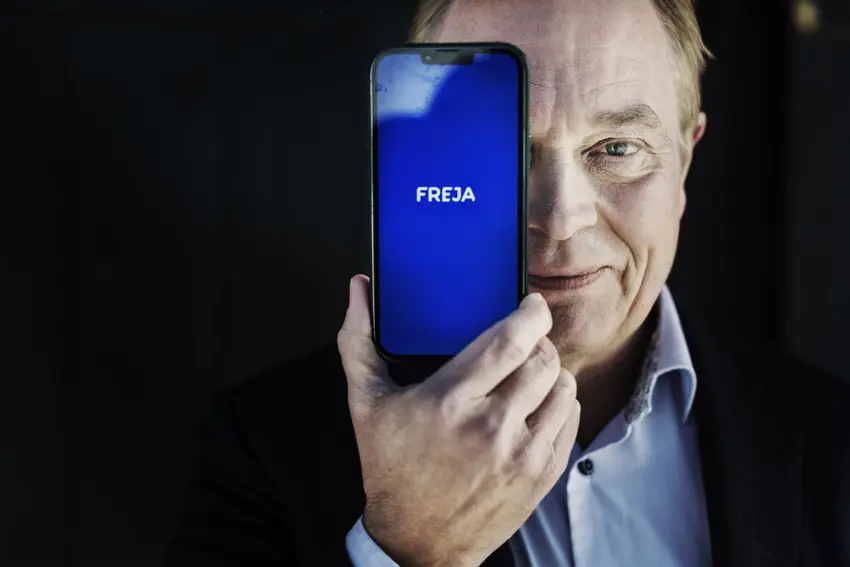
Freja is a government-approved mobile eID used for both online and physical identification.
It generates a digital ID card based on the data you enter during registration, allowing you to identify yourself at organisations that accept Freja as an ID.
It also offers secure login and online signing and supports legally binding electronic signatures.
To use it, you will need to register with a photo and a valid ID document, like a passport with a biometric chip. Once your identity is verified, you will receive a digital ID card in the Freja app.
To identify yourself, you'll need to tap on the ID card in the app, unlock it with your biometrics or PIN, and show the screen.
Along with some government services, various businesses in Sweden accept Freja as an ID, including ATG, PostNord, DB Schenker, DHL, as well as select pharmacies and stores.
I'm a foreign national in Sweden. Will Freja work for me?
Anyone can download the Freja app and register an account with a valid email, but most of Freja's features require a higher registration level.
Swedish citizens can register using their ID documents, and citizens from 52 other countries can register using their biometric passports.
If your country is supported, you will see it in the Freja app.
EU, EEA and British citizens with a Swedish personal number or coordination number registered with the Swedish Tax Agency can get Freja+, which offers a higher level of security (the technical term being "Level of Assurance", LoA).
To do this, you'll need an identity card from the tax agency, Skatteverket, or a Swedish drivers' licence. Register with this card instead of your country's biometric passport. You'll have to confirm your identity in person at a Freja agent, which are usually found in supermarkets, newsagents or similar, before you can be granted Freja+.
Once you've done this, you'll have to wait three hours for your ID to be activated.
Swedish citizens registering with a Swedish passport or national ID card (not the same as a Skatteverket ID card) are granted Freja+ automatically.
EXPLAINED: What's a Swedish 'coordination number' and why do I need one?
Understanding the limits of Freja and the benefits of Freja+
While Freja eID provides a convenient way to verify your identity online, it does come with certain limitations.
The basic version of Freja is sufficient for some tasks, but many services require a higher level of security authorisation that you can only get through Freja+ (note that even if you upgrade to Freja+, you will still be locked out of some services, which will require a BankID login).
Still, Freja+ provides enhanced safety features, making it suitable for some of the more sensitive activities, such as declaring taxes.
READ MORE: Do foreigners in Sweden have to carry their residence cards?
Freja+ vs. BankID
Despite its benefits, Freja+ falls short of BankID in some areas.
Some essential services, like logging into the Swedish Social Insurance Agency (Försäkringskassan) website, might still require BankID.
This exclusivity can be frustrating, as it limits your options for digital identification.
Nevertheless, Freja+ is a good alternative for those without or who can't get BankID when they need to book doctor's appointments, pick up medicine, or carry out other important tasks.
As more companies and services adopt Freja+ as a viable alternative, it will likely reduce the exclusivity of BankID and provide more options for digital identification in Sweden.
Freja has detailed registration guides for both its basic and its Freja+ solutions, available on its website.
What Sweden is doing to help more foreigners access eID - and the surrounding debate
In mid-2023, Sweden's leading digital identity provider, BankID, began issuing a new digital ID card. This card can be used for tasks such as collecting post and buying alcohol but cannot be used for travelling within the Schengen area or dealing with Swedish government authorities. Here's what you need to get the new digital ID card.
In 2022, The Local covered parliamentary efforts to make it easier for foreigners living in Sweden to use digital IDs.
OPINION: Sweden needs to clear up its messy digital ID system
Moreover, many international citizens in Sweden face challenges with banking, often being denied bank accounts or having their accounts closed. This issue particularly affects those lacking traditional Swedish ID documents or those from non-European countries who are in Sweden to work or study.
Malin Alpen, Executive Director of Payments at Sweden's Financial Supervisory Authority, recently called for Swedish banks to find new ways to increase financial inclusion. Alpen warned that not having a bank account is a significant problem, as it impacts everyday functions like receiving a salary and paying bills.
Comments