
Sweden on November 1st, 2023, raised its work permit salary threshold from around 13,000 kronor a month to 80 percent of the median salary, which is currently 28,480 kronor a month.
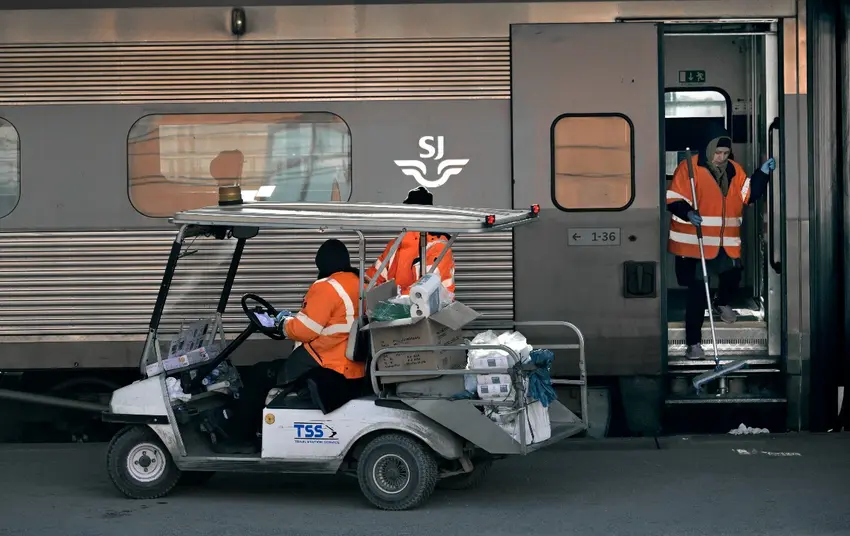
In the analysis, the agency found that the share of work permit applications rejected in the cleaning industry in the ten months after the threshold came into force had nearby doubled from 28 percent to 49 percent compared to the same period before, at the same time as the number of applications received had dropped from 1,515 to 906.
The share of rejections in the restaurant industry, meanwhile, increased from 34 percent to 46 percent, with the number of applications dropping from 3,987 to 2,878.
The change was "most tangible" in the cleaning and restaurant industries, the agency wrote in the report, saying this was a contrast to the situation for high-skilled labour, machine operator professions and agriculture, for which the impact was "small or insignificant".
Fredrik Bengtsson, regional director for the Migration Agency's southern region, said that the rise in the number of rejections in the cleaning and restaurant industries may relate to the agency increasing efforts to detect "workplace crime" or "abuse of the regulations", which both industries suffer from.
"It is therefore not possible to say with certainty that the rejections are solely due to the salary requirement," he said in a press release. "There may be other reasons that emerged in the examination of the case that resulted in rejection, for example that abuse is discovered."
READ ALSO: How has salary threshold affected work permit applications in Sweden?
In total, the number of applications rejected across all industries has increased from 27 percent to 35 percent, an increase of 8 percentage points.
So far the change has had only a mild impact on those extending their work permits, with the share of extension applications rejected increasing 2 points from 4 percent to 6 percent.
Most work permits issued in the ten months of 2023 before the higher requirement came into force will only come up for renewal in 2025, the agency explained. Of these, 21 percent have a salary below 80 percent of the current median salary, meaning they are likely to be rejected if they seek an extension.
"It is only next year, when these extension applications will be tried, that the effect of the salary requirement can be seen," the agency wrote.
The share of first time work permit applications for high-skilled professions rejected increased from 3 percent to 4 percent between the two periods, an increase of just one percentage point. At the same time the number of work permit applications the agency received actually increased from 19,162 to 19,409.
The high-skilled labour category includes senior executives, workers in jobs requiring a graduate degree, and workers in jobs requiring a higher degree.
A government inquiry in February recommended that the work permit salary threshold be raised even higher in June next year to the full median salary, which is currently 35,600 kronor, although the proposal has yet to be submitted to parliament for a vote.
In its analysis, the agency predicted that if the government goes ahead and brings in this increase, the impact on the number of work permits rejected would "only generate a small impact".
Of the people currently living in Sweden on a work permit, only 15 percent, or 4,500 people, have a salary between the current salary threshold of 80 percent of the median salary and the proposed new median salary threshold, it reported.
The majority of people living on work permits, 59 percent, already have a salary above the median salary.

Comments (2)