
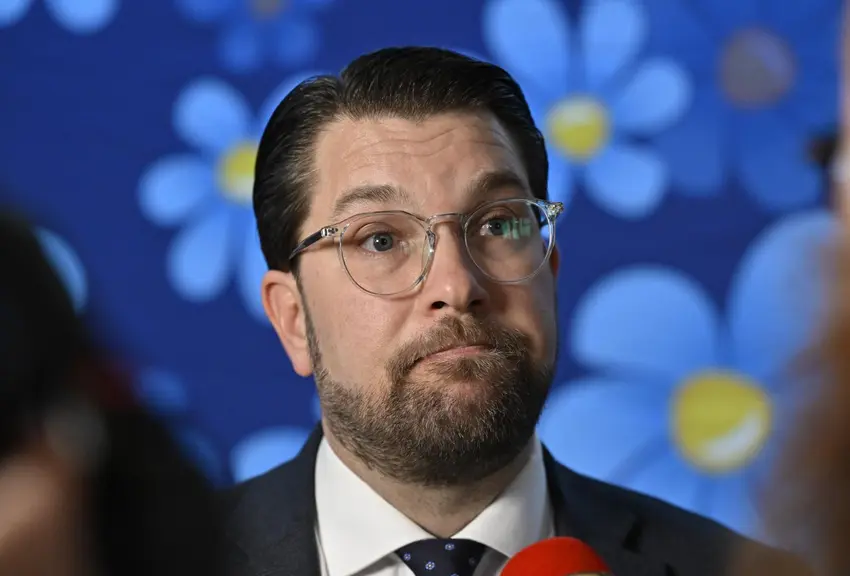
“I don’t see any reason to drop something we’ve all agreed on,” Åkesson told Expressen, criticising the fact that the inquiry lead Kirsi Laakso Utvik had chosen to leave it out of the inquiry’s recommended citizenship reforms.
Utvik said, among other things, that organising citizenship ceremonies or oaths would be too much of an administrative headache, too expensive, and that the ceremonies for new citizens held by local municipalities were sufficient.
“Investigating something in political terms means that you want to implement a policy,” Åkesson said. “I have real issues with the Swedish system of investigations, or the legislative system, where you give political power to individual people to say ‘this seems good and this seems bad’, despite the fact we’ve had general elections where the voters have expressed their opinion.”
CITIZENSHIP REFORM:
- Swedish inquiry proposes almost doubling fee for citizenship
- KEY POINTS: Sweden's plans for tougher citizenship rules
- Swedish government inquiry proposes increasing citizenship wait to eight years
- Readers' questions answered on Sweden's citizenship reforms
He added that he didn’t think it was “his place” to say exactly what a citizenship ceremony should look like, despite believing that it would be an important part of the citizenship process.
“I think it’s reasonable that if you come to Sweden and want to be a citizen after spending some time here in the country, you should be able to meet certain requirements, like supporting yourself, adapting, and other things. But also, that you plan to remain loyal to Sweden. That’s extremely important, not least given the current security situation.”
In an interview with The Local prior to Åkesson’s comments to Expressen, the Sweden Democrats’ migration policy spokesperson Ludvig Aspling said that the citizenship oath was “not the important bit”.
“In my opinion, the material conditions for obtaining citizenship is the main point. That's what's important here. Of course, we would have liked to see some kind of pledge of allegiance. Obviously, it's been in our party's charter for a long time. But if you look at the whole thing, it's not, it's not the important bit,” Aspling told The Local.
Migration Minister Johan Forssell echoed Aspling’s comments, while suggesting that the government may go against the inquiry’s recommendations and implement some sort of ceremony anyway.
“That is one of the things that we will look into. We will look into the whole inquiry – are the proposals what we asked for? Should we make any adjustments? I think these ceremonial things, they’re not unimportant, so to speak,” he told The Local. “But perhaps it is even more important to have strictly required formal requirements. But we will get back to that and present our answers here in the near future.”
Comments (5)