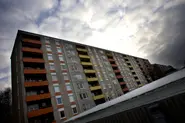
One in 18 of Sweden's residents lives in a so-called vulnerable area, where criminality is higher than average and trust in authorities lower. A new study reveals how political priorities differ in these neighbourhoods compared to the general population.
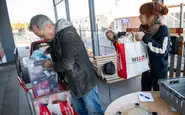
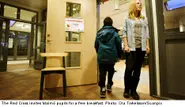
'Food for everyone who wants it' is the motto of a new food bank currently in the works in Malmö, which is being set up to combat both food waste and hunger.
Sweden has the EU's lowest proportion of people living in serious poverty, with around one percent of the population falling into that category according to national statistics agency SCB.
Child poverty has declined in Sweden, but the gaps between children from different backgrounds and demographic are continuing to increase, according to a new Save the Children report.
Fresh statistics suggest that more and more Swedes are at risk of poverty, with youths, single parents and non-native Swedes representing the bulk of those falling below the EU threshold.
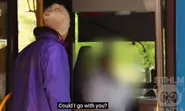
A social experiment exposing class discrimination in Sweden has called the Nordic country's image as a tolerant nation into question. The Local spoke to a member of the duo behind the viral sensation.
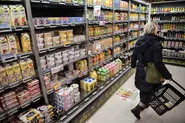
Sweden has a reputation for equality, but a growing pay gap has has led to the country's first "social supermarket" being planned for Stockholm, offering discounted donated food to residents.
The living conditions of most Swedes have improved in recent decades, but income inequality is growing rapidly, according to a new OECD report, which saw Sweden drop 14 spots from its first place ranking in 1995.
One percent of Swedes live in material poverty, according to a new annual Eurostat review that lists Sweden as having the lowest poverty level in the EU.
The Swedish children’s rights organization Bris has abandoned its use of the term “child poverty” after an investigative news report sparked scathing and celebratory feedback in the ensuing debate.
Australian beach-volleyballer and current Stockholm resident Johannah Rohkämper plans to survive in the Swedish capital on 15 kronor ($2.20) a day to raise awareness about global poverty.
In the Malmö district of Rosengård over 70 percent of children are living in relative poverty, according to fresh figures from Statistics Sweden (Statistiska centralbyran, SCB), which measures the growing economic divides across the country.
Two thirds of the people in Sweden relying long term on social benefits have a foreign background, while child poverty in the same group is becoming more and more serious, according to new reports.
The increase in child poverty in Sweden is due in part to failed family policies and the welfare system becoming less fair, Save the Children Sweden (Rädda Barnen) has claimed in a new report on the problem which it claims affects 220,000 children.
A Swedish designed social media initiative has been launched this week aiming to raise awareness and funds for the World Food Programme (WFP) in which well-fed donors can opt out of a snack or a meal and donate the difference.
As average incomes increase, more people in Sweden are falling below the line classified as relative poverty, with single parents particularly affected, new statistics produced by the Parliamentary Investigative Service (riksdagens utredningstjänst - RUT) show.
The southern Swedish city of Malmö has more children living in families with a low standard of living than in any other municipality in Sweden, new statistics show.
People who live in poor neighbourhoods in Sweden are much more likely to suffer from heart disease than people living in richer areas. They are also more likely to die from the condition, according to a new study carried out at Stockholm's Karolinska Institute.